Micro Break Away Tabs: A Key to Efficient PCB Design and Manufacturing
In the world of printed circuit board (PCB) design and manufacturing, every detail counts. One crucial aspect that can make or break the efficiency of your production process is the use of micro break away tabs. In this article, we will explore what micro break away tabs are, how they work, and why they matter in the context of PCB design and manufacturing.
What are Micro Break Away Tabs?
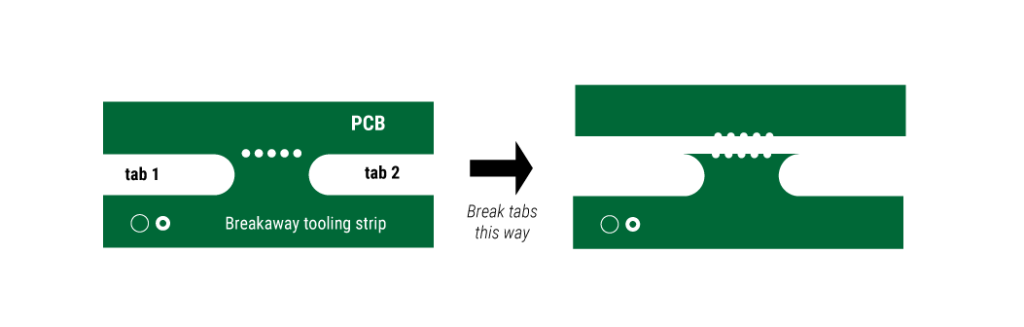
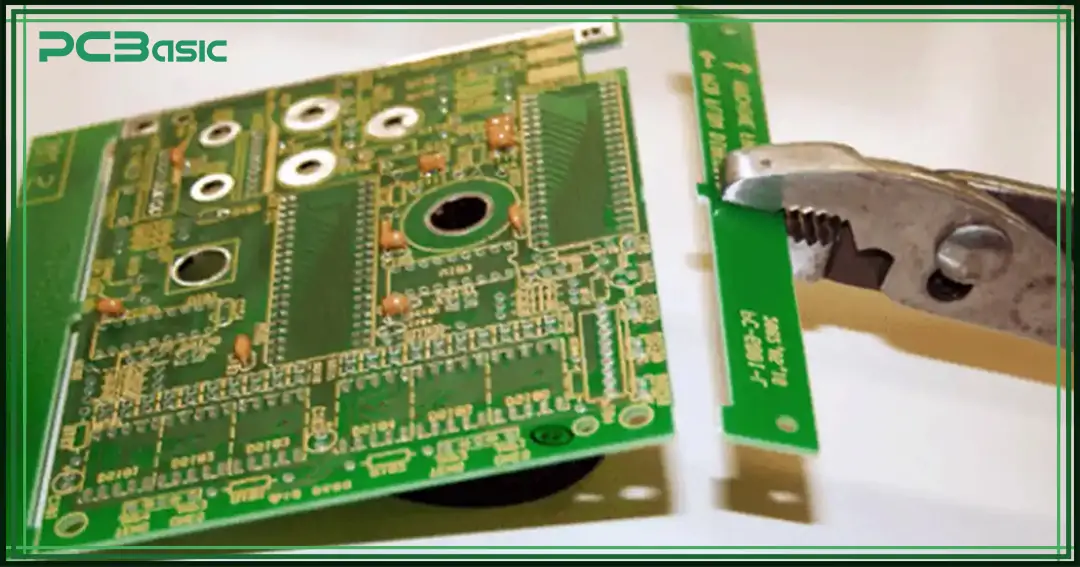
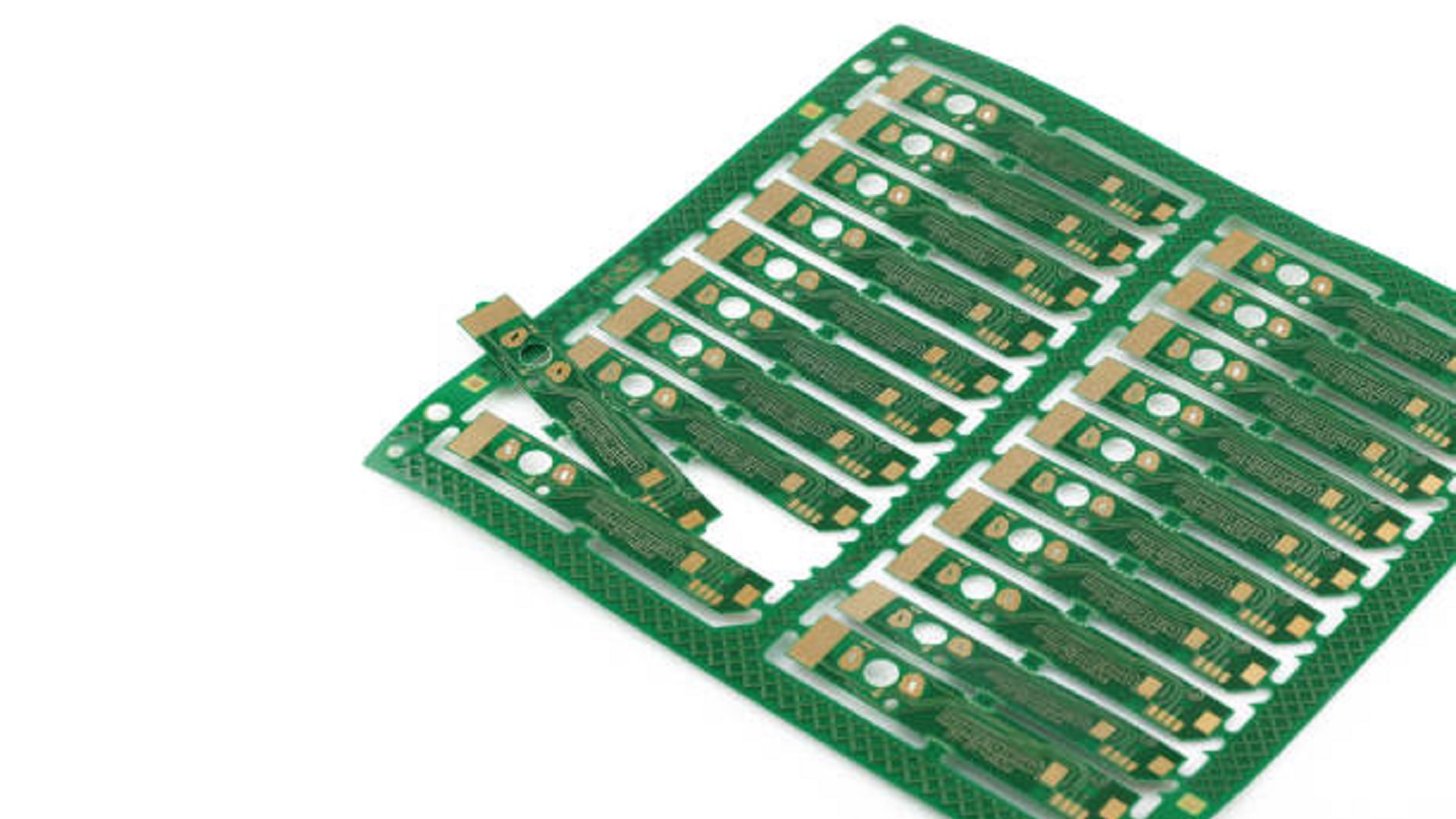
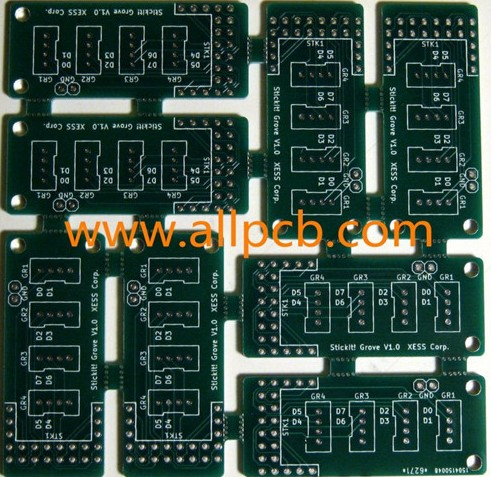
Micro break away tabs, also known as breakaway tabs or snap-off tabs, are small, thin sections of the panel that connect individual PCBs to the main panel. These tabs are designed to be easily broken or removed, allowing for the separation of the individual boards without damaging the circuits or components.
Types of Break Away Tabs
There are several types of break away tabs used in PCB panelization, including:
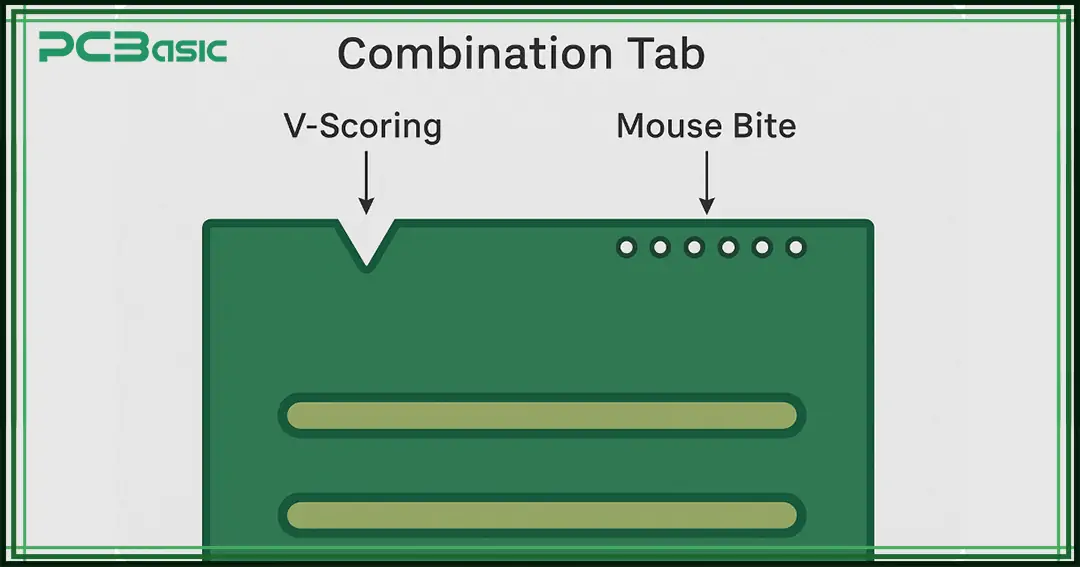
- Mouse bites: These are small, circular holes that are strategically placed along the edge of the PCB panel to facilitate easy separation.
- V-groove tabs: These are pre-scored lines or tabs that allow for easy separation of the individual boards from the main panel.
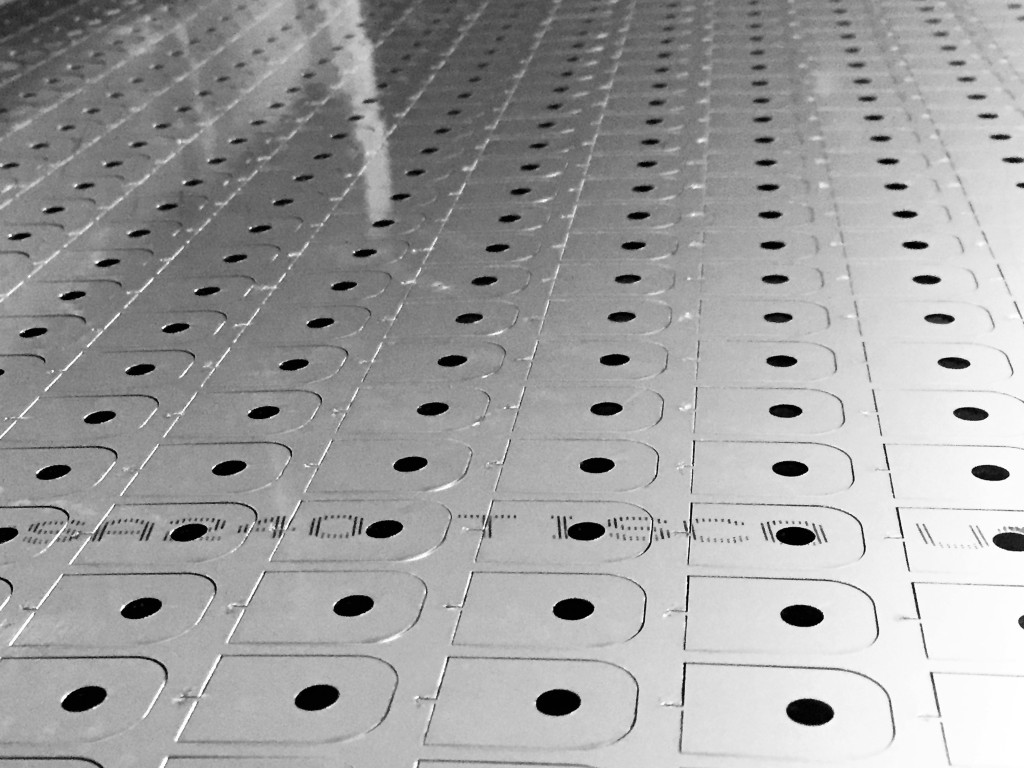
- Micro-tabs: These are small, interconnecting tabs that are used to separate multiple parts from a sheet of material.
Benefits of Using Micro Break Away Tabs
The use of micro break away tabs offers several benefits, including:
- Easy separation: Micro break away tabs make it easy to separate individual PCBs from the main panel without damaging the circuits or components.
- Increased flexibility: Micro break away tabs allow for easy reconfiguration of the PCBs, making it easier to modify or upgrade designs.
- Improved safety: Micro break away tabs prevent accidental breakage of the PCBs during handling, reducing the risk of injury and damage to equipment.
- Reduced material waste: Micro break away tabs minimize material waste by allowing for easy separation of individual PCBs.

Designing Effective Micro Break Away Tabs
When designing micro break away tabs, several factors need to be considered, including:
- Material selection: The material used for micro break away tabs should be durable and capable of withstanding the stresses involved in the separation process.
- Tab placement: The placement of micro break away tabs should be carefully considered to ensure easy separation of individual PCBs.
- Tab size and shape: The size and shape of micro break away tabs should be optimized for easy separation and minimal material waste.
- Production volume: The choice of break away tab design should be balanced against production volume, design complexity, and cost considerations.
Best Practices for Using Micro Break Away Tabs
When using micro break away tabs, several best practices should be followed, including:
- Choose the right material: Select a material that is durable and capable of withstanding the stresses involved in the separation process.
- Optimize tab placement: Place micro break away tabs in strategic locations to ensure easy separation of individual PCBs.
- Minimize material waste: Design micro break away tabs to minimize material waste and reduce the risk of damage to equipment or injury to personnel.
- Test and validate: Test and validate micro break away tabs to ensure they meet design requirements and are free from defects.
Conclusion
Micro break away tabs are a crucial component in the design and manufacturing of PCBs. By understanding the types, benefits, and design considerations of micro break away tabs, designers and manufacturers can optimize their production processes and improve the efficiency and quality of their products. By following best practices and choosing the right design, manufacturers can reduce material waste, improve safety, and increase flexibility in their PCB assembly and manufacturing processes.