What to Use to Kill Bed Bugs: A Comprehensive Guide
Bed bugs are a persistent and stressful pest problem that can infest homes, hotels, and furniture. These tiny insects feed on human blood while you sleep, causing discomfort, anxiety, and financial loss. If you're searching for a solution to get rid of bed bugs, you've come to the right place. In this article, we'll explore the most effective ways to kill bed bugs using a variety of methods and products.
Understanding Bed Bugs
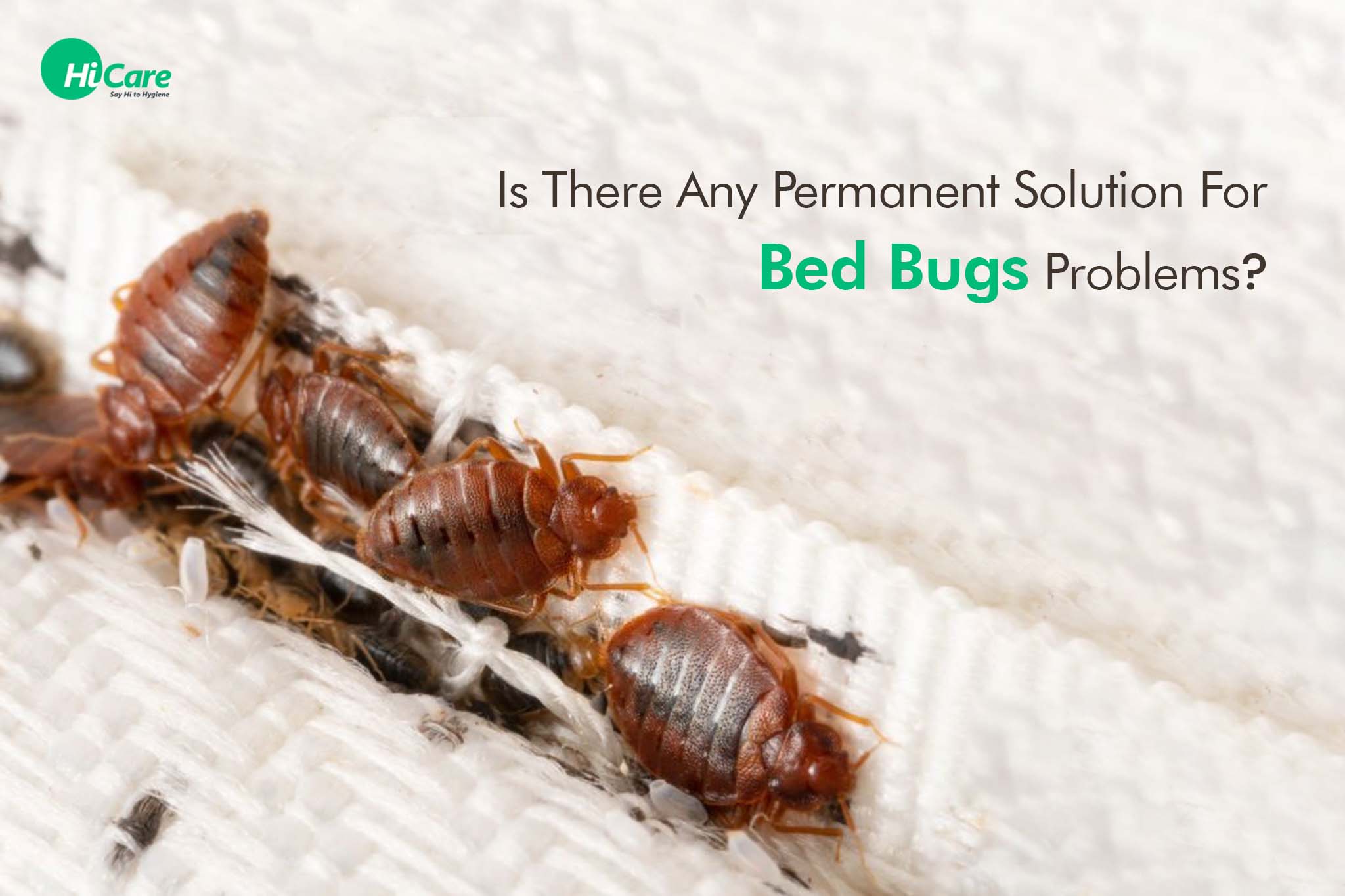
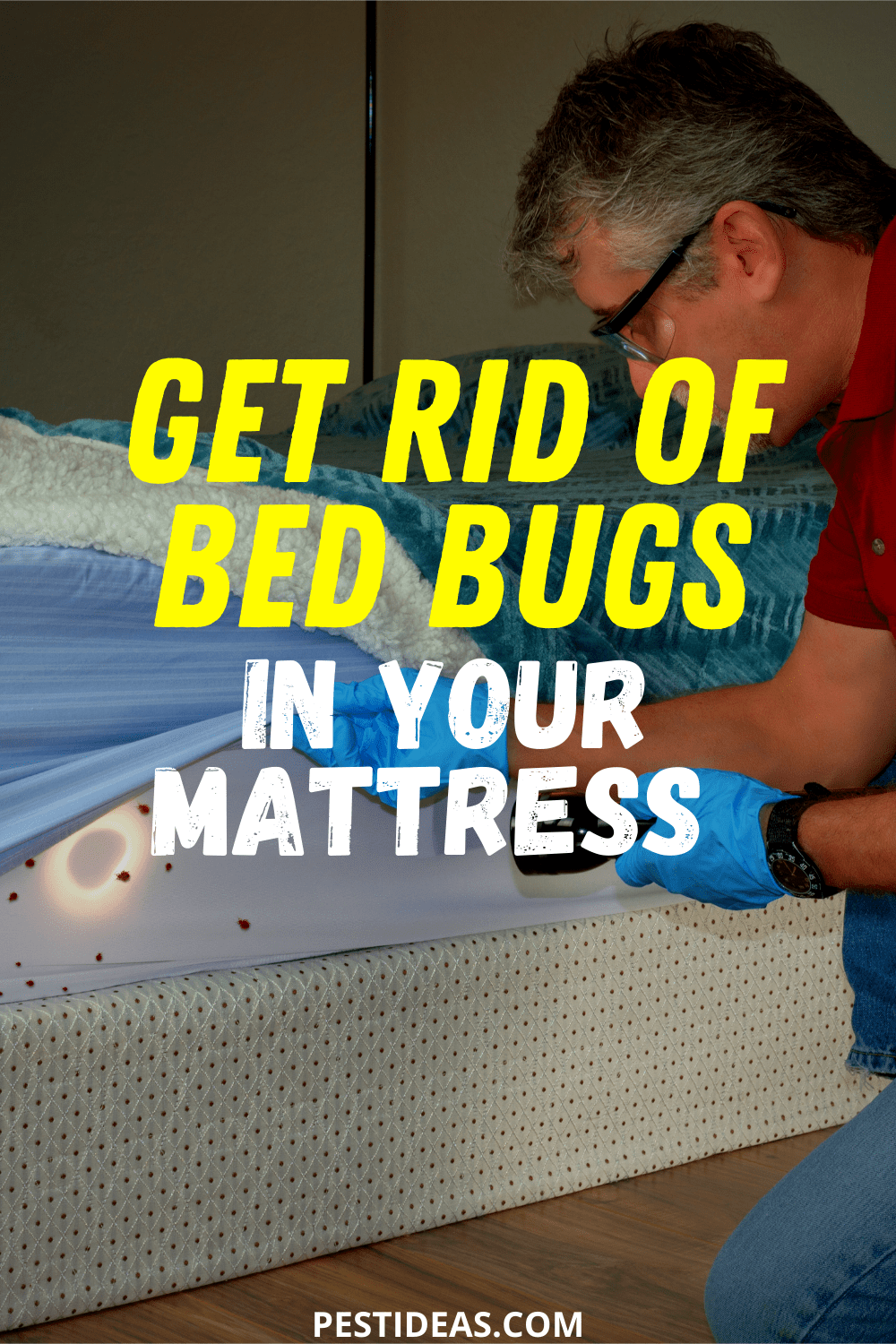
Before we dive into the solutions, it's essential to understand the pesky creatures you're dealing with. Bed bugs are flat, oval-shaped insects that are notorious for their ability to hide in tiny crevices and cracks. They are a blood-sucking parasite that can infest mattresses, bed frames, couches, carpets, and even clothing. Identifying them can be tricky, but professional exterminators often use specialized equipment to detect infestations.
Effective Chemical Treatments
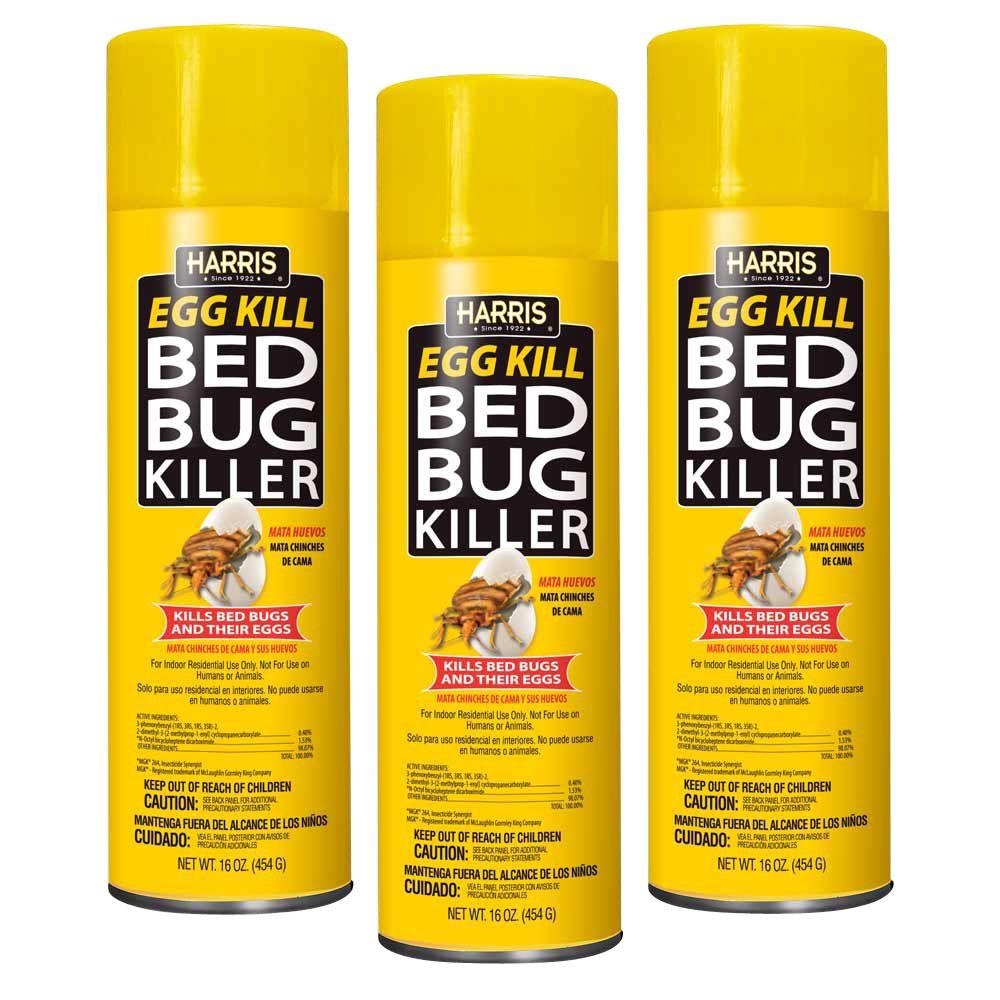
One of the most effective ways to kill bed bugs is by using chemical treatments. Pyrroles, such as Chlorfenapyr, are a type of pesticide that has proven to be highly effective against bed bugs. Chlorfenapyr is a pro-insecticide that works by activating a biological process that kills the bug. However, it's essential to use these chemicals according to the manufacturer's instructions, as overuse or misuse can lead to chemical resistance.
Pyrethrins and Pyrethroids:
Pyrethrins are a type of insecticide that has been used for decades to kill bed bugs. They work by disrupting the nervous system of the insect, causing it to die. However, some bed bugs have developed resistance to pyrethroids, making it less effective.
Neonicotinoids and Desiccants:
Neonicotinoids are a newer class of insecticides that target the central nervous system of bed bugs, causing rapid death. Desiccants, on the other hand, dehydrate the bed bug, rendering it unable to feed and eventually killing it.
Diatomic Earth:
Diatomaceous earth is a natural powder made from the fossilized remains of tiny aquatic organisms. It works by dehydrating the bed bug, causing it to die. It's a popular and eco-friendly option for killing bed bugs.
Natural and DIY Methods
While chemical treatments can be effective, many homeowners also opt for natural and DIY methods to kill bed bugs. Here are some eco-friendly solutions:
Heat Treatment:
Heat can be used to kill bed bugs by packing infested items in black bags and placing them in direct sunlight or using a dryer to generate heat. The high temperatures will kill the bugs, while the diatomic powder can be used to dehydrate them further.
Essential Oils:
Certain essential oils, such as tea tree oil, lavender oil, and peppermint oil, have natural insecticidal properties that can help kill bed bugs. Mix the oil with water and spray it around the infested area.
Baking Soda:
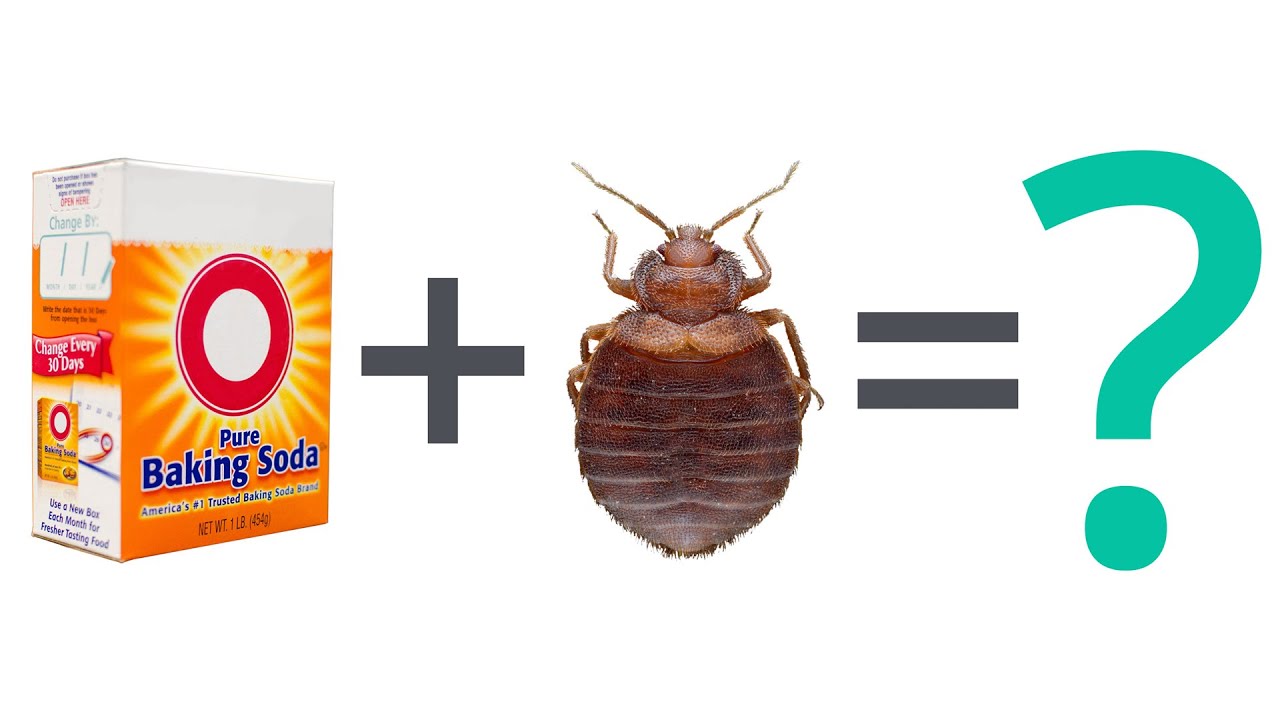
Baking soda is a natural and inexpensive way to kill bed bugs. Make a paste by mixing baking soda with water and apply it to the infested area. The baking soda will dehydrate the bed bugs, killing them.
Prevention and Maintenance
Prevention is key to avoiding bed bug infestations. Here are some tips to keep your home bed bug-free:
Regularly Inspect Your Home:
Regularly inspect your home for signs of bed bugs, such as tiny brown specks or bloodstains on sheets and pillowcases.
Store Items Carefully:
Store items such as luggage, clothing, and furniture in sealed containers or dry compartments to prevent bed bugs from crawling onto them.
Keep Your Home Clean:
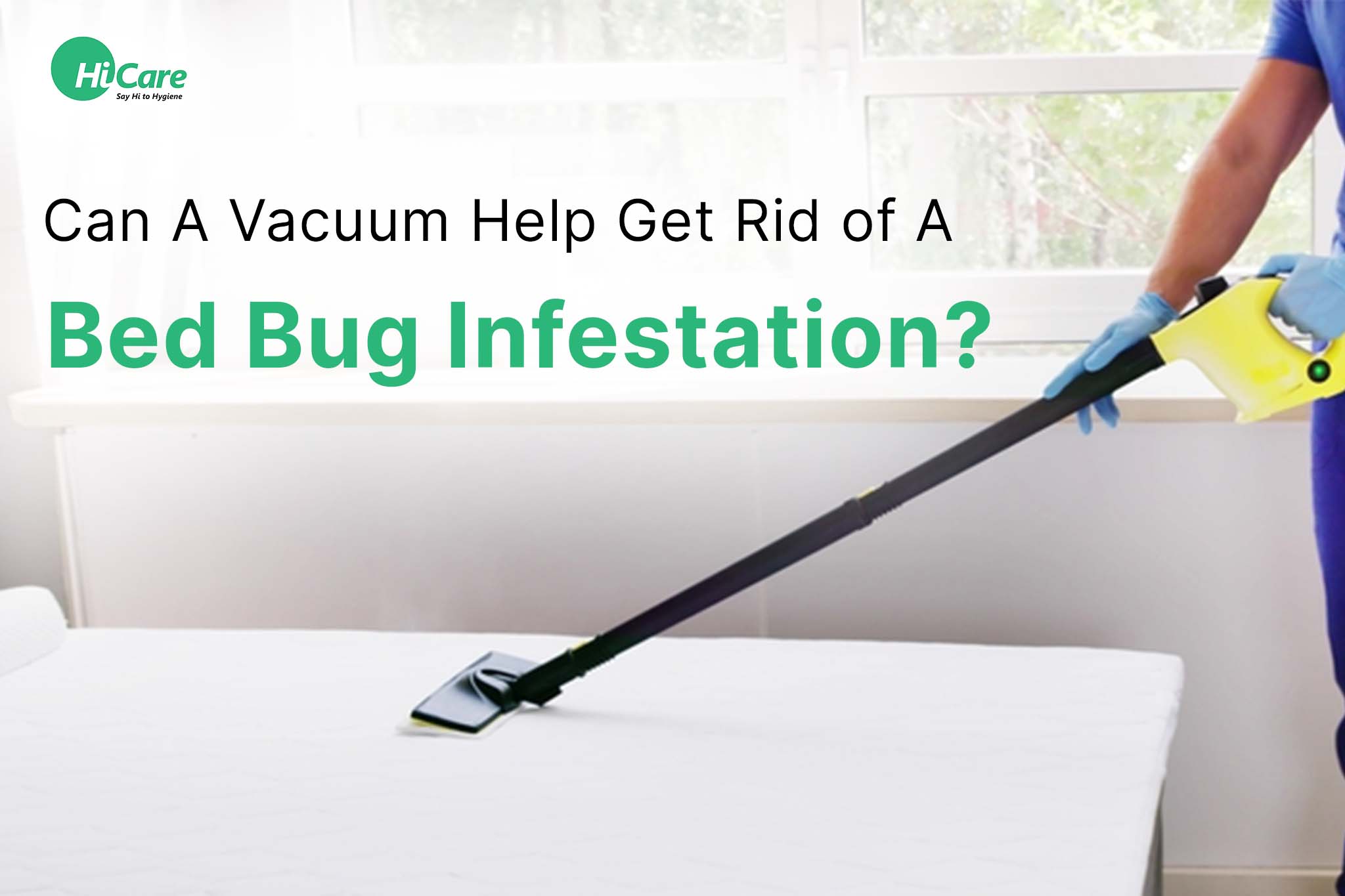
Regularly clean and vacuum your home, paying attention to areas around the bed and couch.
Conclusion
Getting rid of bed bugs requires persistence and patience. Using a combination of chemical treatments and natural methods can be effective in eliminating an infestation. Remember to follow the manufacturer's instructions for chemical treatments, and always test a small area before applying any treatment. If the infestation persists, consider consulting a professional exterminator. With the right tools and knowledge, you can say goodbye to bed bugs and hello to a peaceful and pest-free home.