Is Tylenol Bad for Dogs?
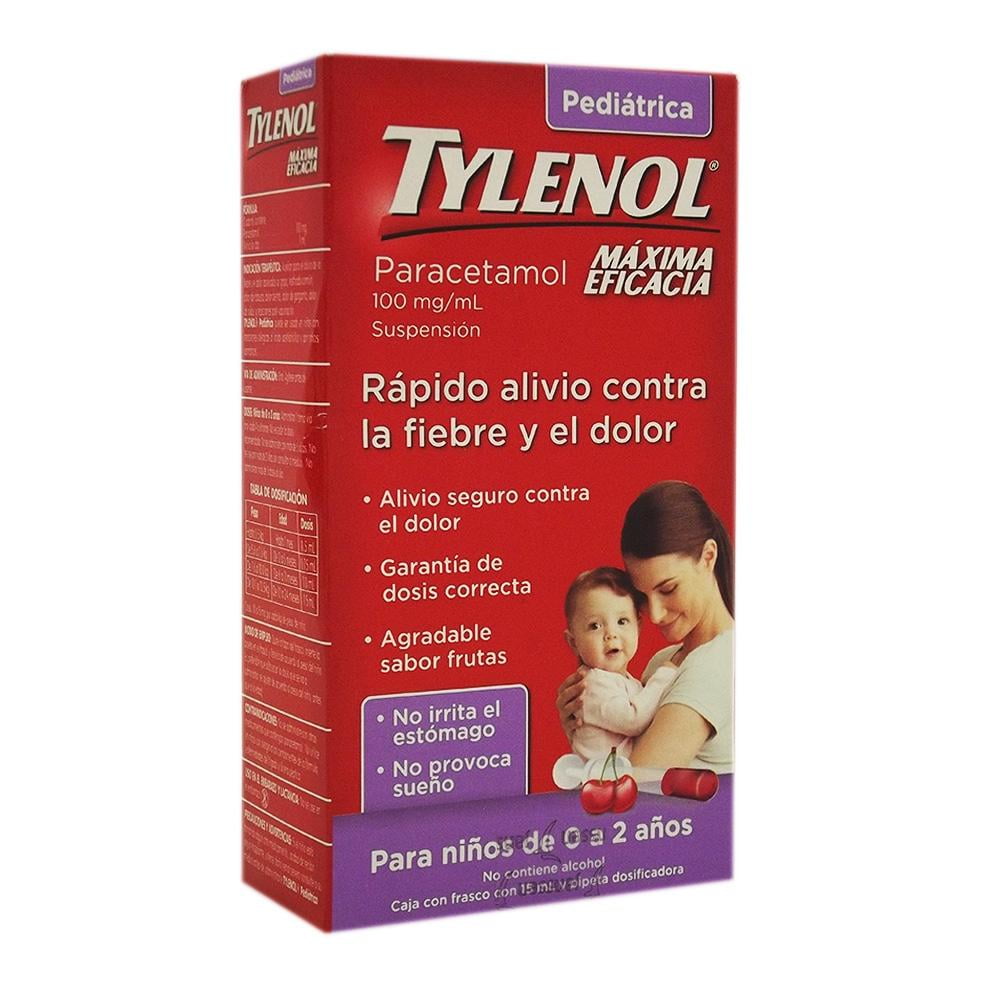
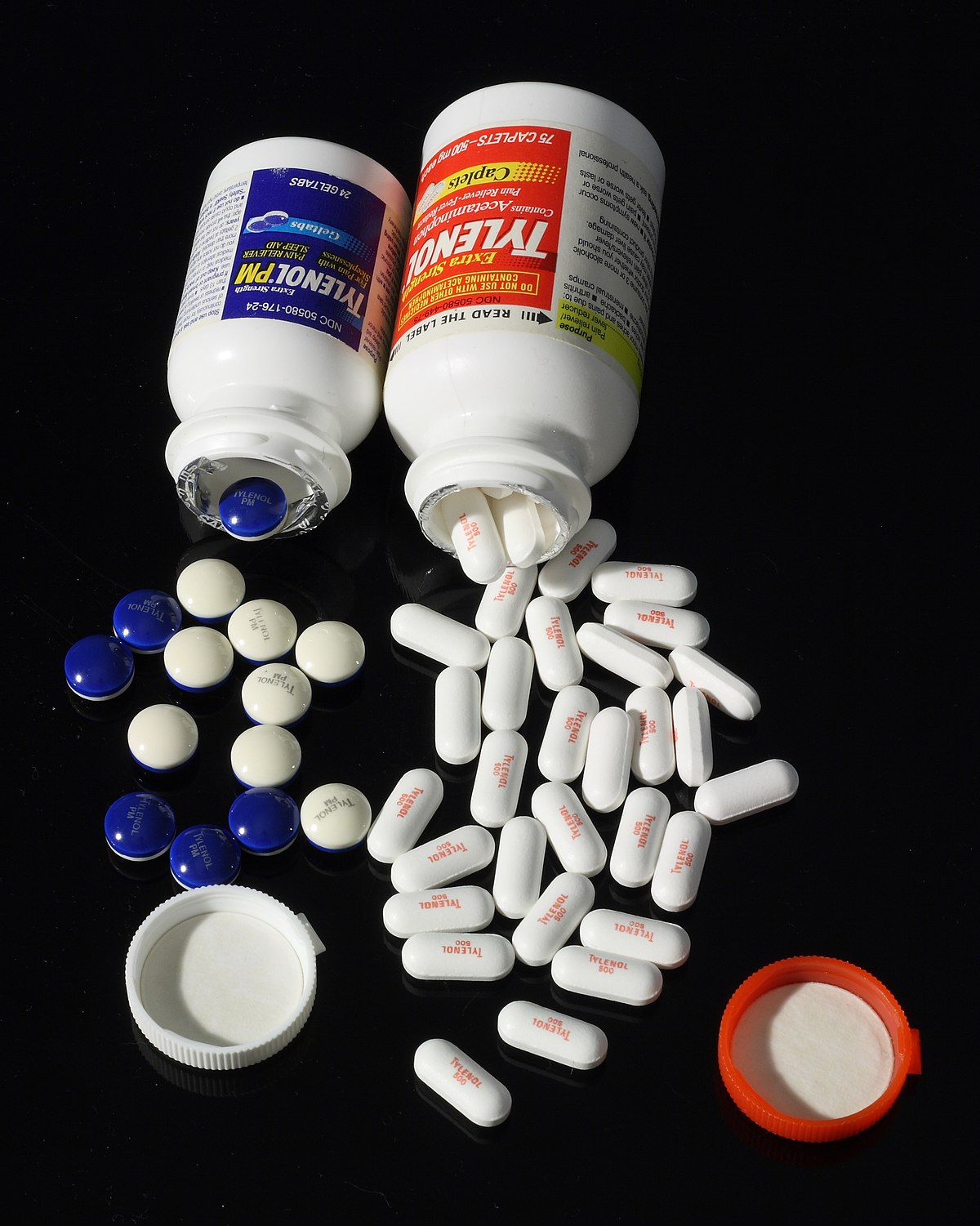
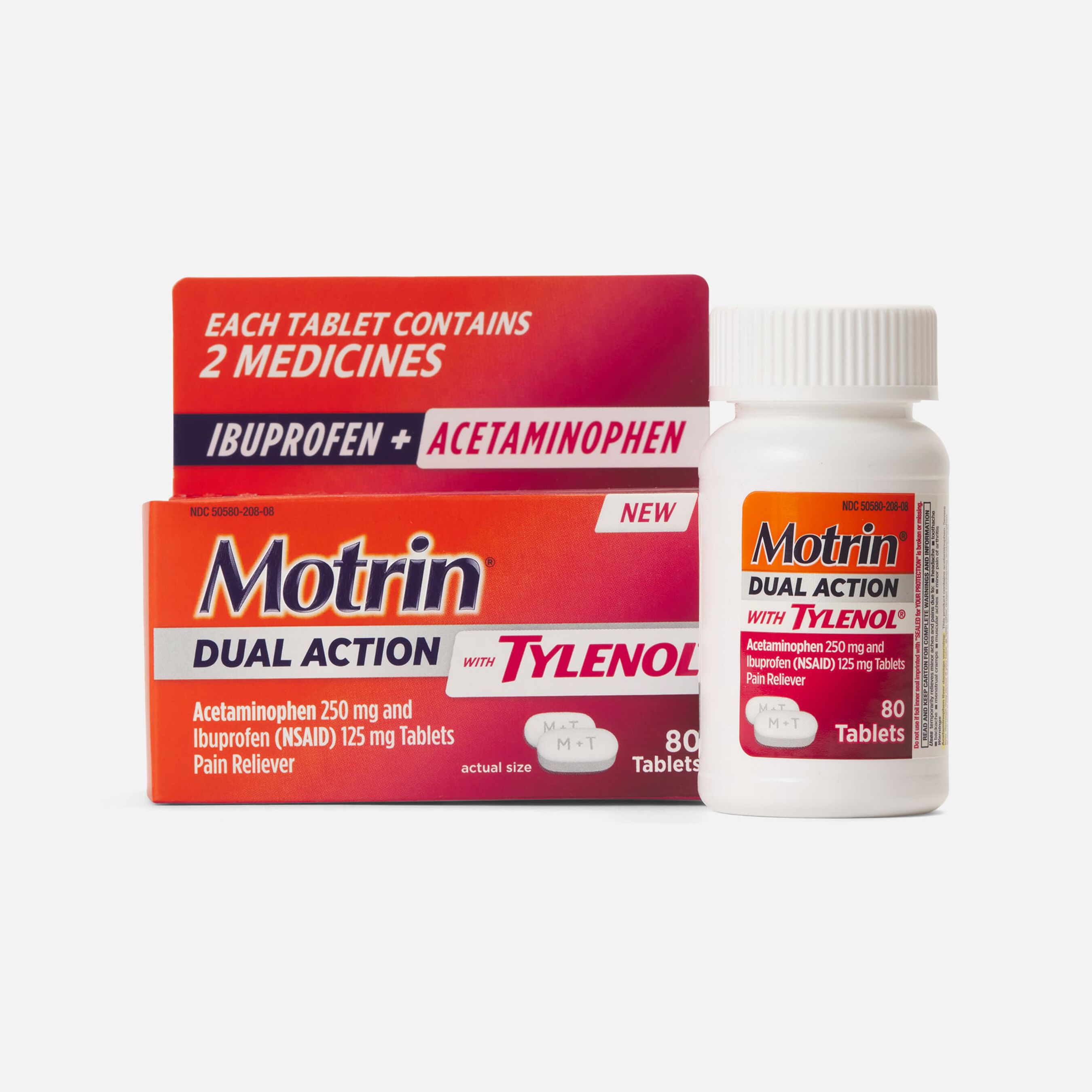
Tylenol, also known as acetaminophen, is a widely used over-the-counter medication for humans to treat pain and fever. However, when it comes to canines, Is Tylenol bad for dogs? The answer is a definite yes, and it's essential to discuss the risks and dangers of administering Tylenol to your furry friend with your veterinarian before proceeding.
The Dangers of Tylenol for Dogs
Acetaminophen is metabolized by the liver in dogs, and when consumed in excess, it can cause severe liver damage and other severe side effects. The signs of acetaminophen toxicity in dogs can include:
- Anorexia (loss of appetite)
- Abdominal pain
- Vomiting
- Lethargy
- Trembling
- Facial and paw edema
- Tachycardia (rapid heart rate)
- Tachypnea (rapid breathing)
When ingested, acetaminophen can lead to changes in red blood cells, liver damage, and other symptoms consistent with acetaminophen poisoning. It's worth noting that cats are up to 10 times more susceptible to acetaminophen toxicity than dogs.
Why is Tylenol Toxic to Dogs?
One of the primary reasons Tylenol is so toxic to dogs is due to their liver's inability to metabolize acetaminophen effectively. This can lead to a build-up of toxic levels in the body, causing severe damage to the liver and other vital organs. Additionally, dogs metabolize acetaminophen much faster than humans, leading to rapid onset of symptoms.
What to Do If Your Dog Eats Tylenol?
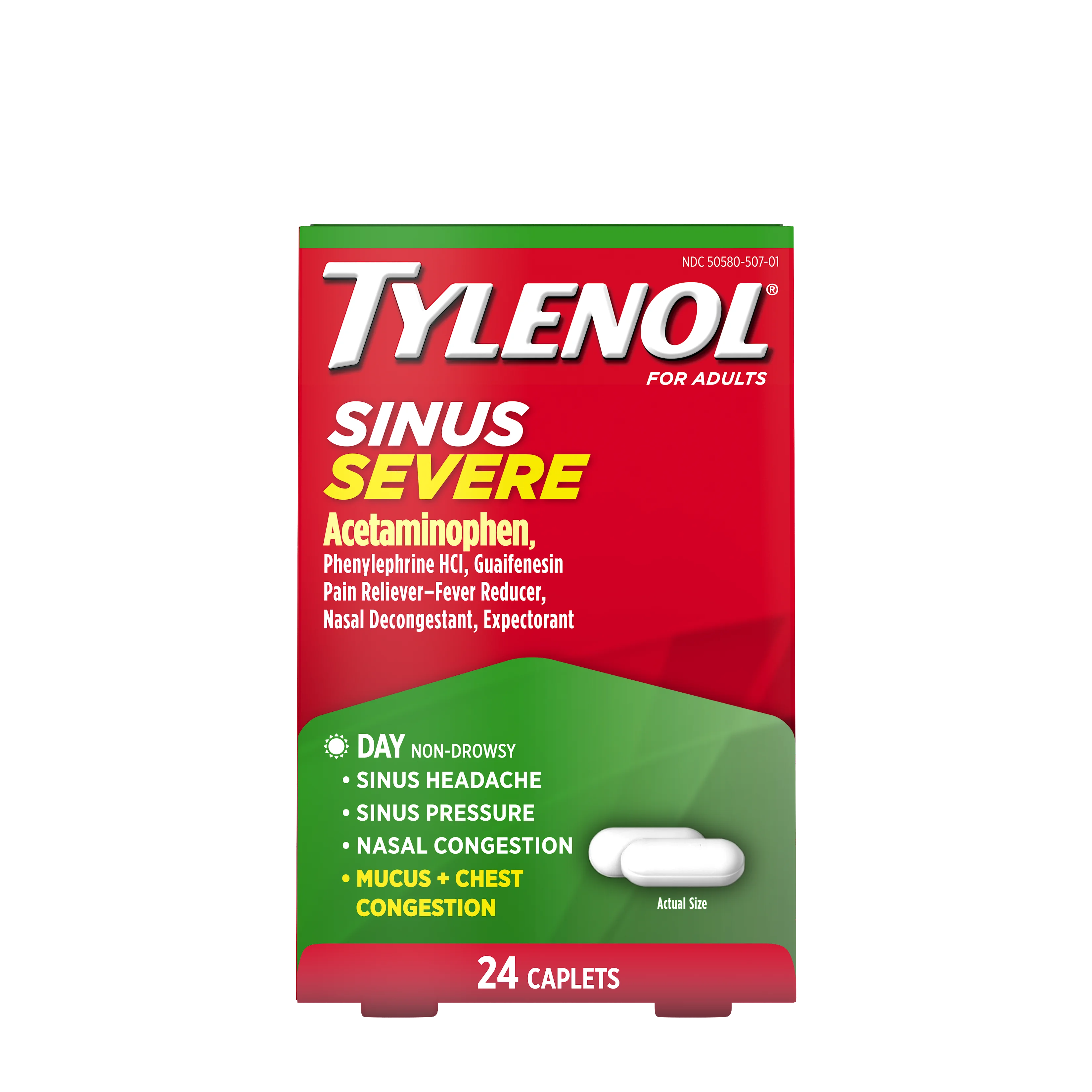
If you suspect your dog has ingested Tylenol, contact your veterinarian immediately. Time is of the essence, as every second counts when it comes to preventing irreparable damage. Your vet may recommend inducing vomiting or administering activated charcoal to prevent further absorption. In severe cases, hospitalization and medication to prevent complications may be necessary.
It's crucial to note that never give your dog any human medication without consulting your veterinarian first. Always opt for veterinarian-approved pain management options and safer alternative pain relief methods for your furry friend.
Safe Alternatives to Tylenol for Dogs
There are various safer alternatives to Tylenol that can help alleviate pain and inflammation in dogs. Some natural pain management options include:
- Carprofen (Rimadyl)
- Meloxicam (Metacam)
- Aspirin (in moderation, under veterinary guidance)
- Glucosamine and chondroitin supplements
- Acupuncture and massage therapy
Conclusion
Is Tylenol bad for dogs? The answer is a resounding yes. Acetaminophen is a potent medication that can cause severe liver damage and other critical health issues in canines. Always err on the side of caution and consult with your trusted veterinarian for safe and effective pain management strategies for your furry friend.
Remember, it's always better to be safe than sorry and opt for veterinarian-approved and safer alternatives to ensure your dog's well-being and a long, healthy life.