Cyber Hygiene: The Key to Maintaining Digital Security
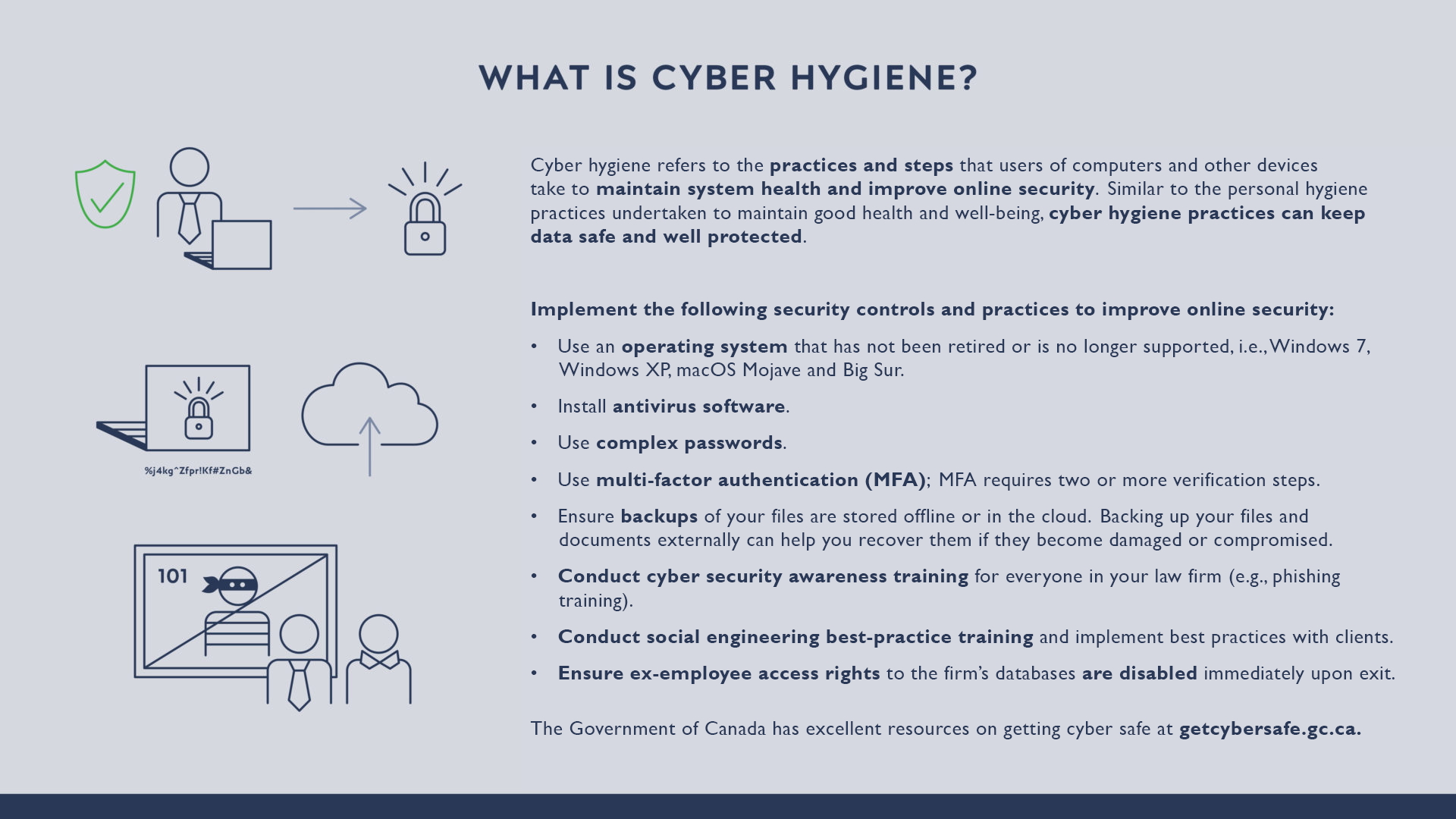
Cyber hygiene, or cybersecurity hygiene, is a crucial set of practices that individuals and organizations need to follow regularly to maintain the health and security of their digital environments. Just like personal hygiene protects our physical health, cyber hygiene protects our digital systems, accounts, devices, networks, and data from cyber threats.
What is Cyber Hygiene?
Cyber hygiene is the collection of regular best practices that an organization undertakes to keep its network and data safe and secure. It involves adopting standard cybersecurity best practices to protect against malware, phishing, ransomware, and other cyber threats. Cyber hygiene is not a one-time process but an ongoing effort to maintain the resilience and security of digital systems.
Why is Cyber Hygiene Important?
Poor cyber hygiene often leads to preventable incidents such as malware infections, data breaches, and identity theft. According to the Secret Service, following protective measures when using devices connected to the internet can help protect oneself from online scams and fraud. By practicing good cyber hygiene, individuals and organizations can reduce the risk of cyber attacks and protect their digital assets.
Common Cyber Hygiene Practices
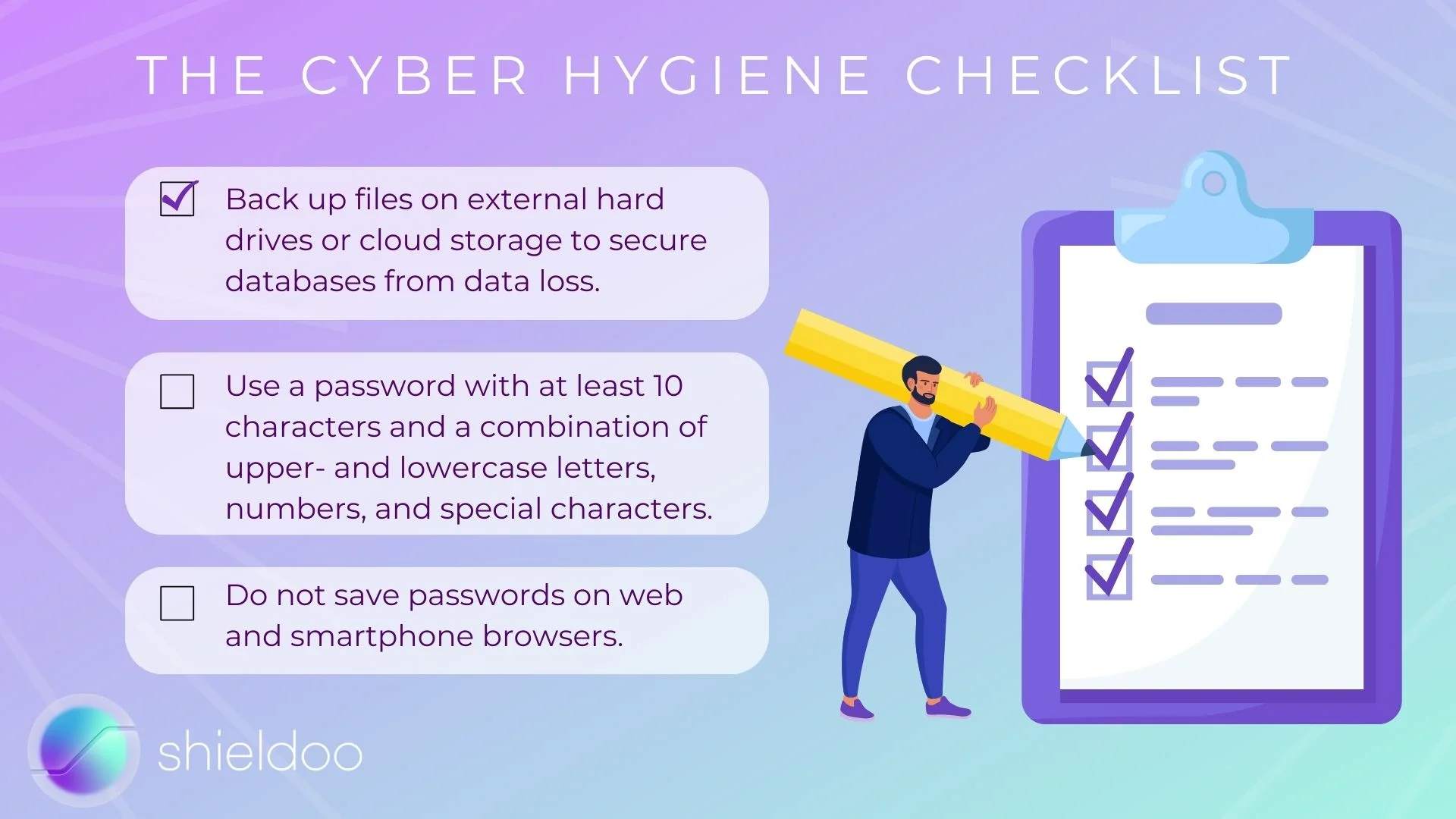
- Using strong passwords and multi-factor authentication
- Updating software and operating systems regularly
- Installing antivirus and firewall protection
- Being cautious when clicking on suspicious links or downloading attachments
- Using secure connections (HTTPS) when accessing websites
- Monitoring and logging system activities
- Conducting regular vulnerability assessments and penetration testing
- Implementing backup and disaster recovery plans
Benefits of Good Cyber Hygiene
A strong cyber hygiene practice can have a direct and positive financial impact on an organization. It can provide assurance to buyers during mergers and acquisitions, reduce the risk of costly data breaches, and minimize regulatory fines. Additionally, good cyber hygiene can improve employee productivity, reduce downtime, and enhance the overall security posture of an organization.
Challenges of Implementing Cyber Hygiene
Implementing and maintaining good cyber hygiene practices can be challenging, especially for small and medium-sized enterprises (SMEs). The lack of resources, expertise, and budget can hinder an organization's ability to adopt and maintain robust cybersecurity measures. Additionally, the ever-evolving nature of cyber threats requires continuous investment in training, technology, and processes to stay ahead of the attackers.
Best Practices for Implementing Cyber Hygiene
Implementing cyber hygiene practices requires a structured approach that involves the following steps:
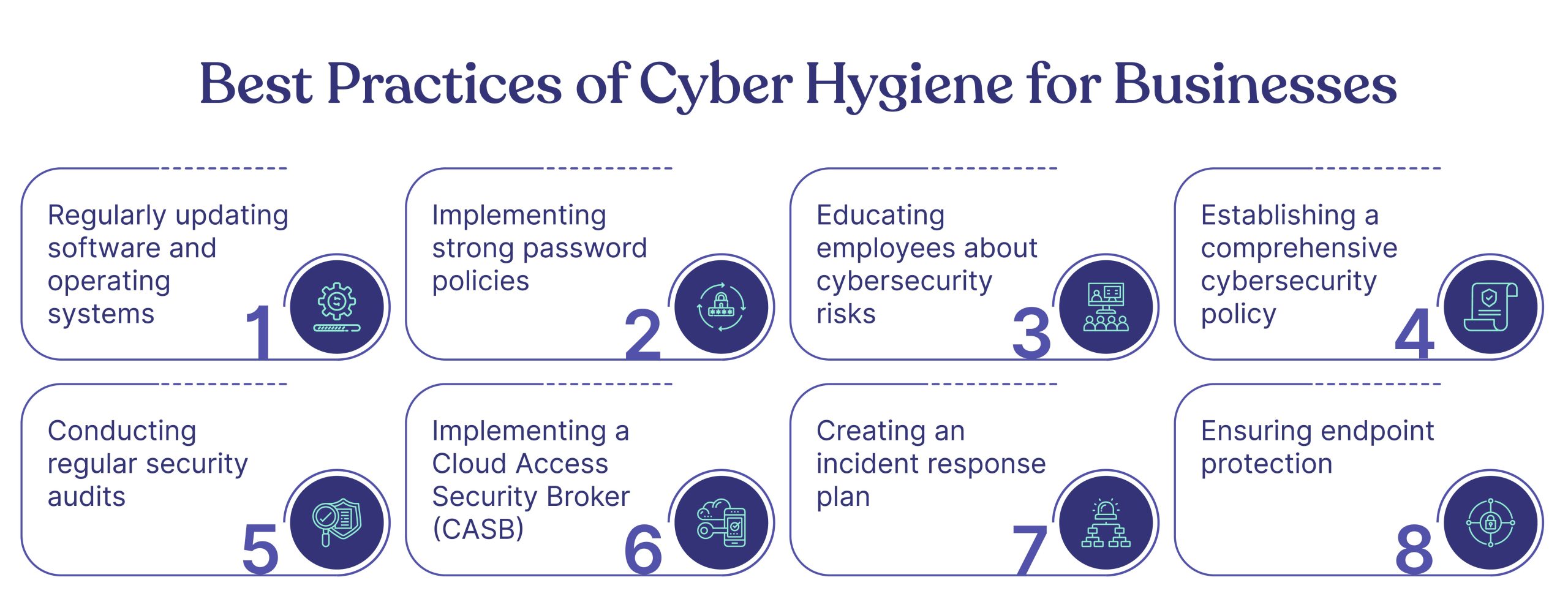
- Conduct a risk assessment to identify vulnerabilities and threats
- Develop a cybersecurity policy and incident response plan
- Implement security controls and technologies
- Conduct regular vulnerability assessments and penetration testing
- Train employees on cybersecurity awareness and best practices
- Monitor and log system activities
- Review and update cybersecurity measures regularly
Conclusion
Cyber hygiene is a critical aspect of digital security that requires ongoing effort and attention. By adopting and maintaining good cyber hygiene practices, individuals and organizations can reduce the risk of cyber attacks, protect their digital assets, and enhance their overall security posture. Remember, a little cyber hygiene can go a long way in guarding yourself from identity theft or other Internet attacks.