The Hidden Stressors of Technology: Managing the Constant Tech Use
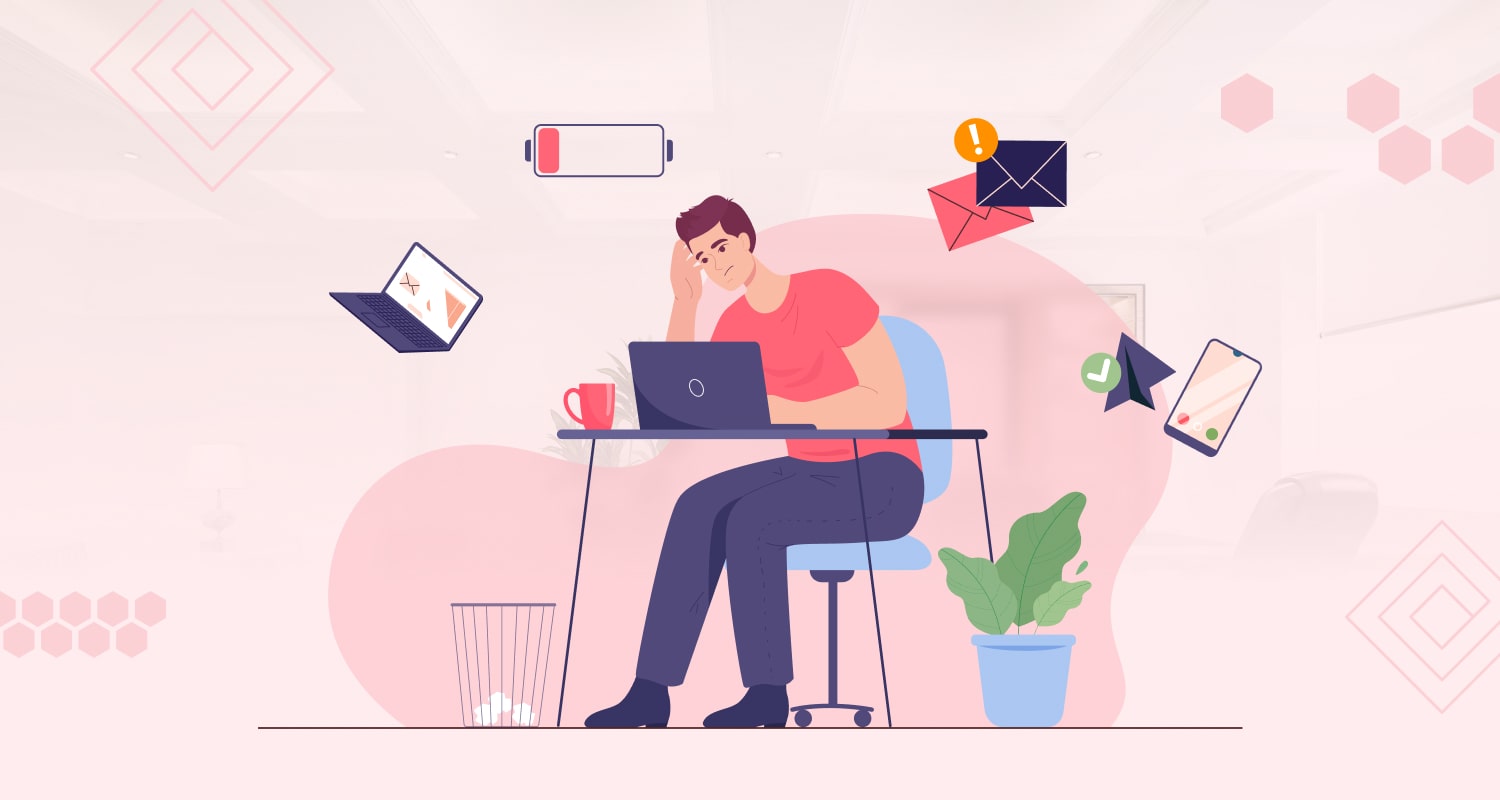
In today's fast-paced world, technology has become an integral part of our daily lives. From smartphones to laptops, and social media to video games, technology has revolutionized the way we communicate, work, and play. However, this constant tech use has also led to a new set of stressors that can affect our mental and physical health. In this article, we will explore the hidden stressors of technology and provide practical tips on how to manage the stress of constant tech use.
The Science of Stress and Technology
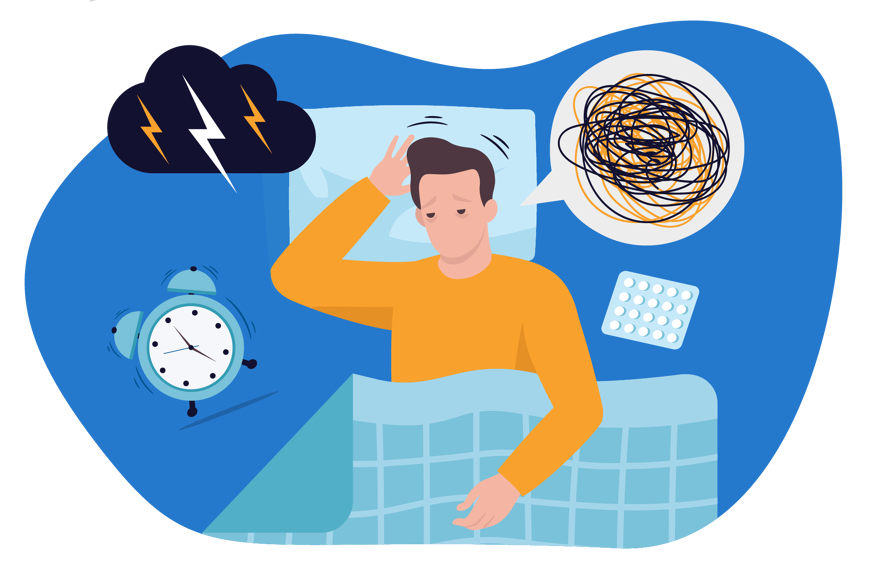
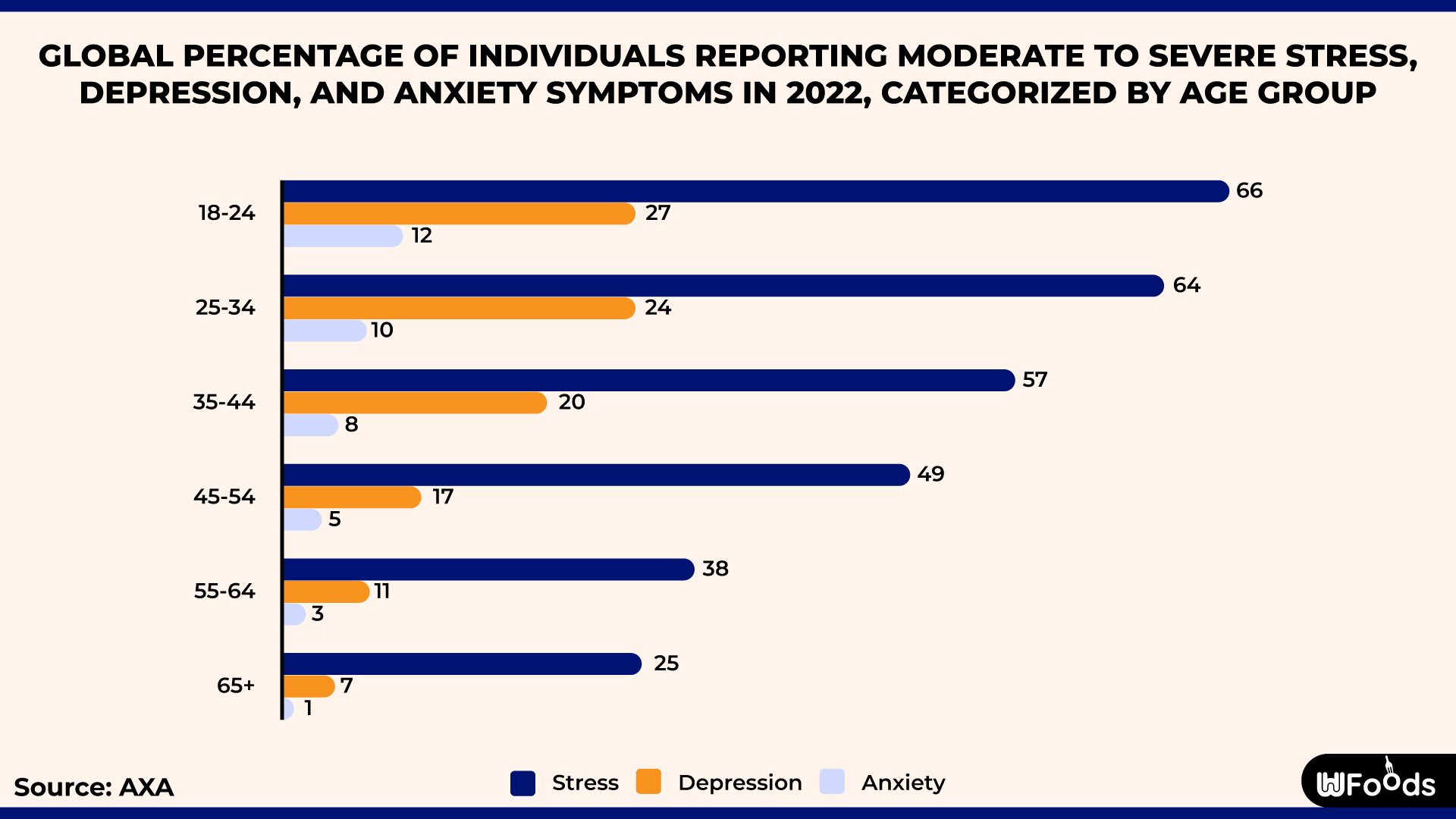
Stress is a natural response to a perceived threat or challenge. When we experience stress, our body produces physical and mental responses that can impact our well-being. Technology, in particular, can be a significant source of stress due to its constant presence and demands on our attention. Research has shown that excessive tech use can lead to anxiety, depression, and burnout, among other mental health issues.
The Role of Technostress
Technostress, a term coined by Professor Efraim Turban, refers to the negative impact and stress induced by chronic and unregulated interactions with technology. Technostress can arise from various sources, including:
- Techno-complexity: The complexity of technology can lead to feelings of frustration and anxiety.
- Techno-uncertainty: Uncertainty about how to use technology or fear of being left behind can create stress.
- Techno-insecurity: Fear of cyberbullying, online harassment, or identity theft can lead to stress and anxiety.
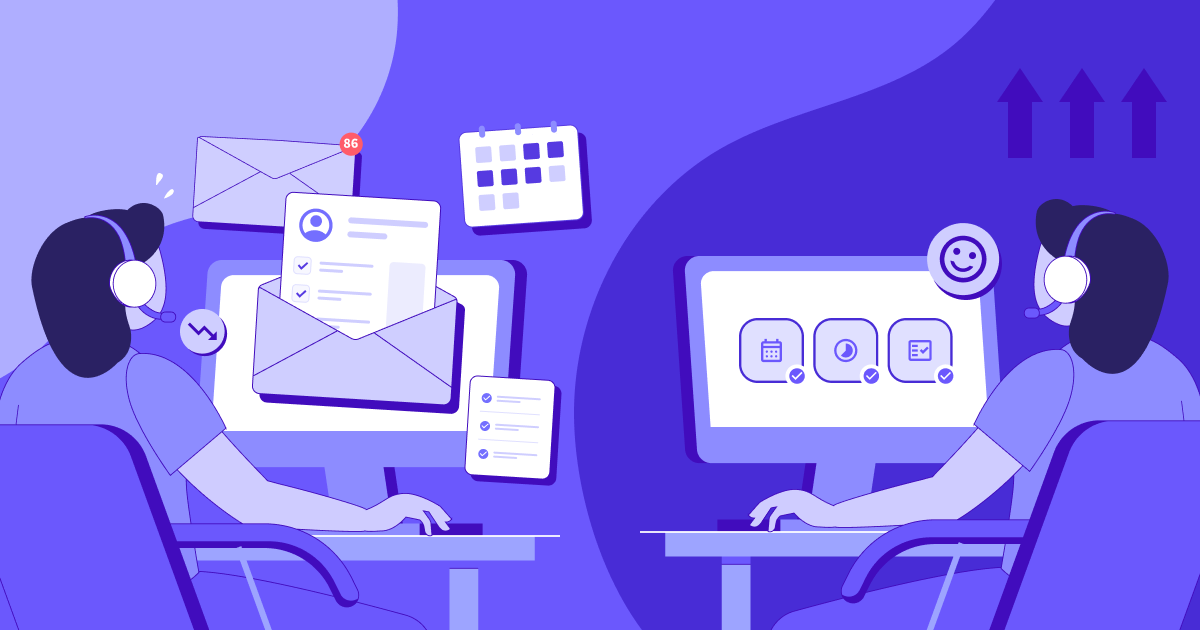
- Techno-overload: Excessive technology use can lead to feelings of overwhelm and burnout.
- Techno-invasion: The constant presence of technology can invade our personal space and lead to stress.
Managing the Stress of Constant Tech Use
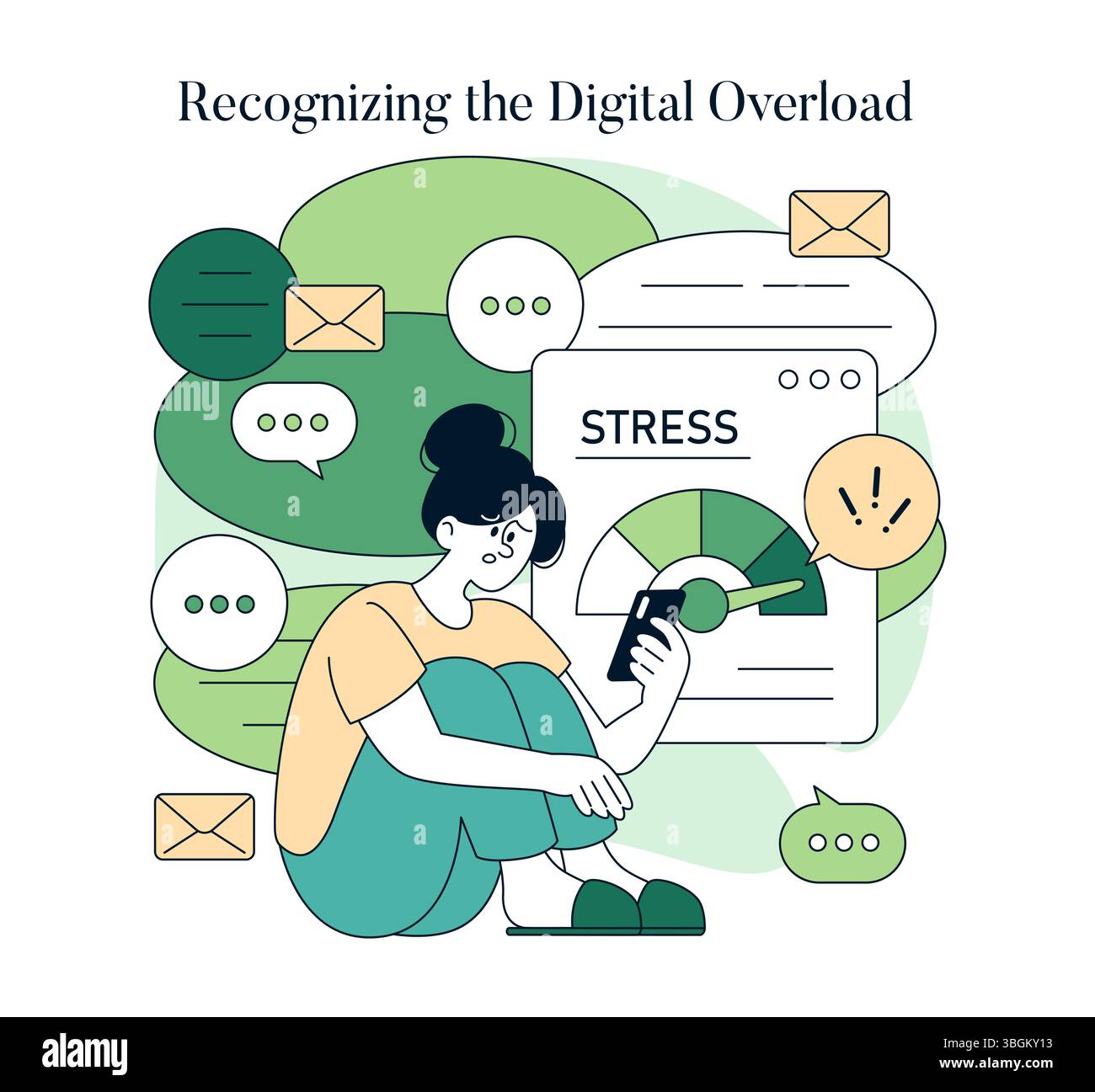
While technology has its benefits, it's essential to recognize the potential stressors and take steps to manage them. Here are some practical tips to help you reduce the stress of constant tech use:
- Set boundaries**: Establish specific times for technology use and stick to them. Designate tech-free zones and times, such as during meals or before bed.
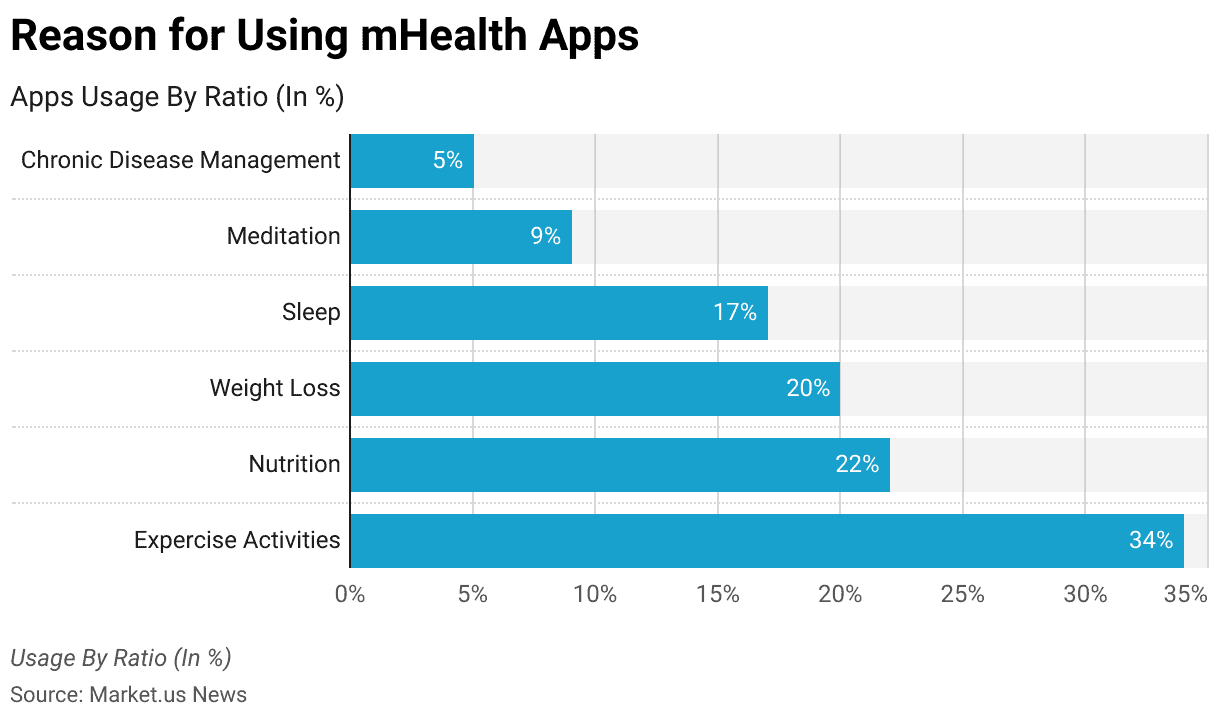
- Take breaks**: Regularly take breaks from technology to rest and recharge. Engage in activities that promote relaxation and stress reduction, such as meditation, exercise, or hobbies.
- Practice digital detox**: Consider a digital detox or a tech-free day to help you disconnect and recharge.
- Use technology intentionally**: Use technology with a purpose, such as for work or communication, rather than mindlessly scrolling through social media or playing video games.
- Monitor your tech use**: Keep track of your technology use and identify areas where you can reduce your exposure.
The Future of Technology and Stress Management
As technology continues to evolve, it's essential to recognize the potential stressors and take steps to manage them. By being aware of the hidden stressors of technology and implementing strategies to reduce our tech use, we can promote a healthier relationship with technology and reduce the stress of constant tech use.
Conclusion
The stress of constant tech use is a real concern that affects many people. By recognizing the potential stressors and taking steps to manage them, we can promote a healthier relationship with technology and reduce the negative impacts on our mental and physical health. Remember, technology is a tool, not a master. Take control of your tech use and prioritize your well-being.