Understanding Essential Trust Documents: A Comprehensive Guide
When it comes to managing trusts, it's essential to have a solid understanding of the essential trust documents that govern their creation, operation, and distribution. In this article, we'll delve into the world of trust documents, exploring what they are, why they're crucial, and how they can help protect your assets and loved ones.
What Are Essential Trust Documents?
Estate planning documents, including trusts, are a critical component of securing your financial future. These documents ensure that your assets are distributed according to your wishes, and your loved ones are protected from unnecessary stress and financial burden. A comprehensive estate plan typically includes four estate planning documents: a financial power of attorney, an advance care directive, a living trust, and a last will.
The Importance of Essential Trust Documents
Essential trust documents provide a clear plan for the distribution of your assets, ensuring that your wishes are carried out. These documents can help protect your assets from probate, reducing the risk of your estate being tied up in court for years. They also provide a clear plan for the management of your assets and healthcare, should you become incapacitated. By having essential trust documents in place, you can ensure that your loved ones are protected and that your assets are distributed according to your wishes.
Types of Essential Trust Documents
There are several types of essential trust documents, including:
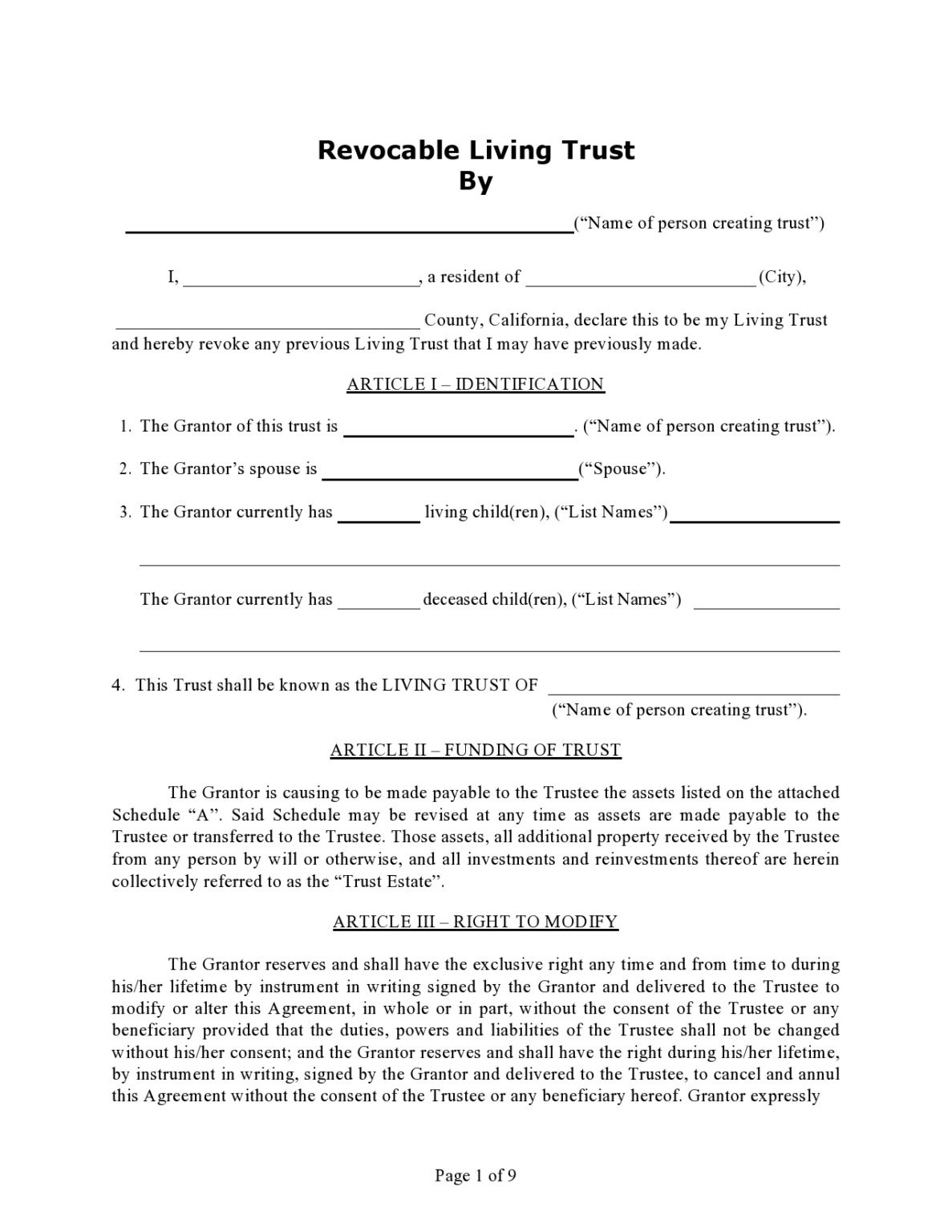
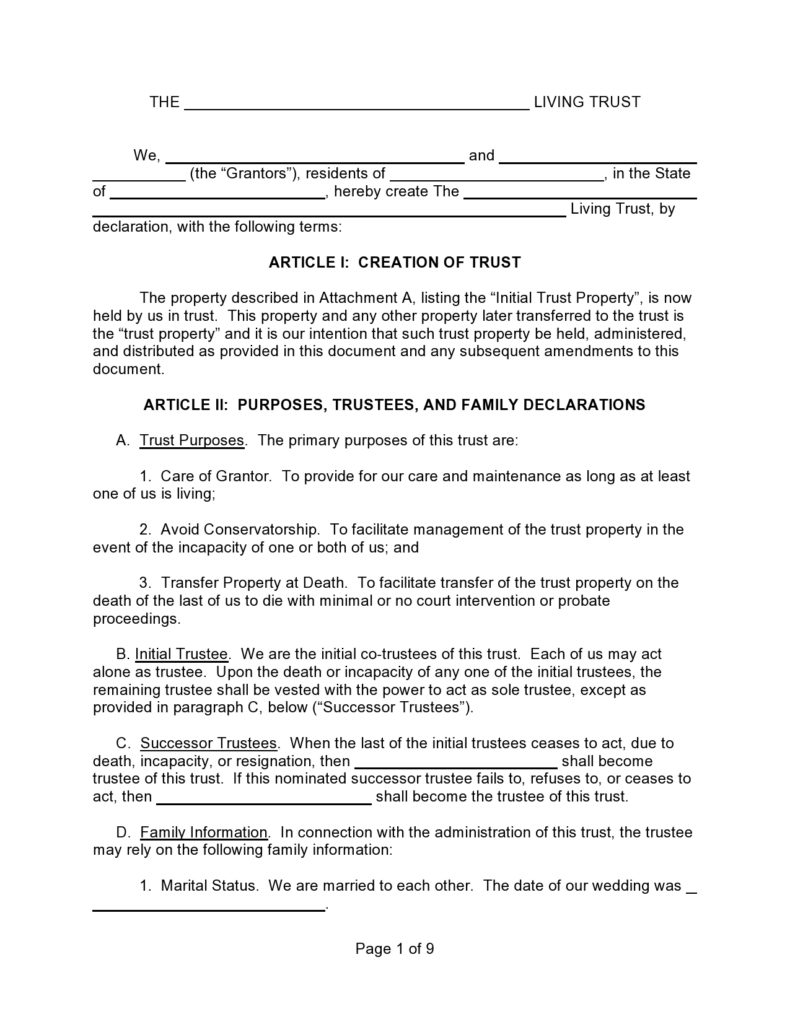
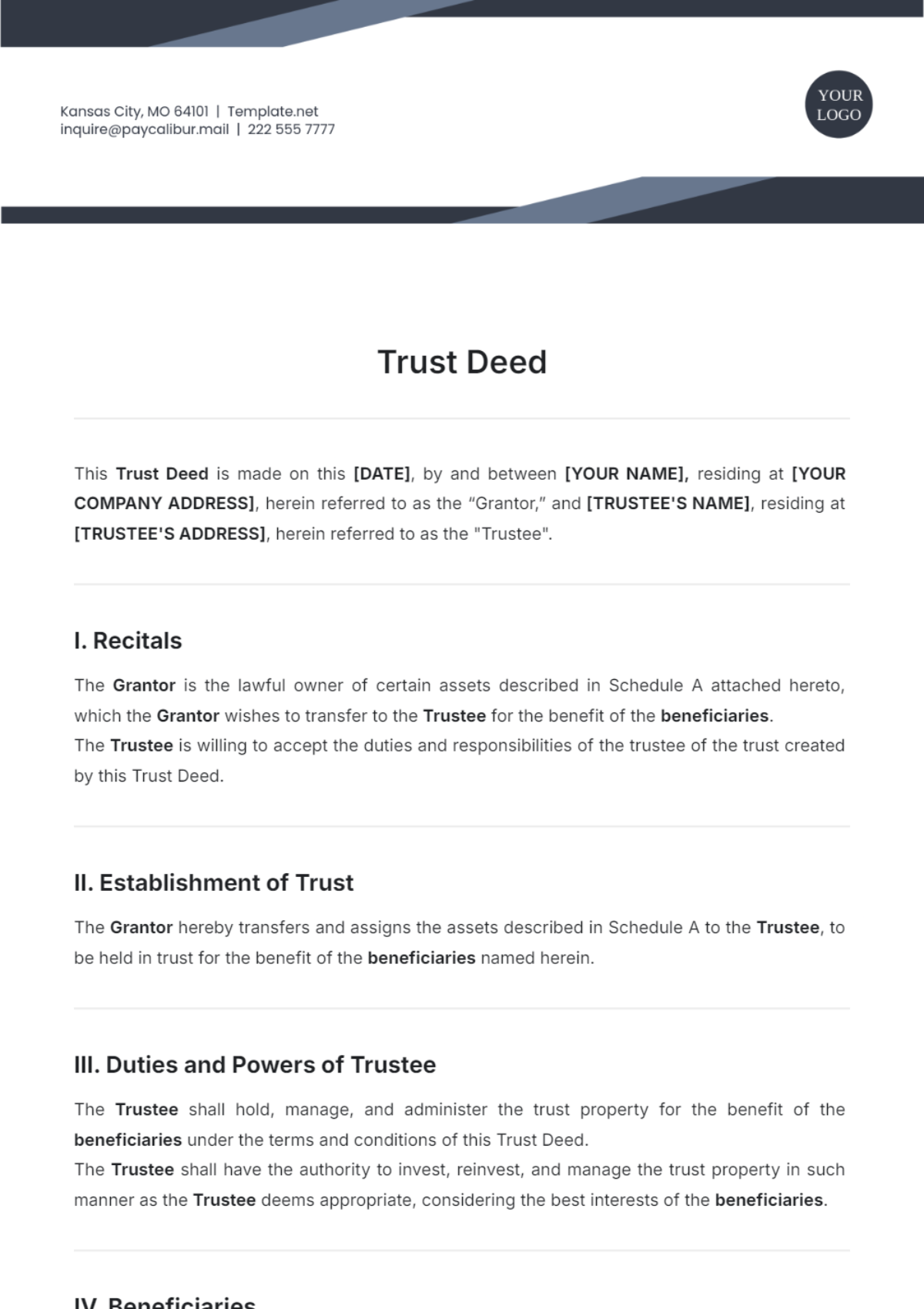
- Revocable Living Trust: A revocable living trust allows you to transfer ownership of your assets to the trust, while still maintaining control over them. This type of trust can help avoid probate and ensure a smooth transfer of assets to your beneficiaries.
- Last Will: A last will outlines your wishes for the distribution of your assets after your passing. It's essential to have a last will in place to ensure that your assets are distributed according to your wishes.
- Financial Power of Attorney: A financial power of attorney gives someone you trust the authority to manage your financial affairs, should you become incapacitated.
- Advance Care Directive: An advance care directive outlines your wishes for your healthcare, should you become incapacitated.

Creating a Comprehensive Estate Plan
Creating a comprehensive estate plan involves more than just having essential trust documents in place. It also involves planning for the management of your assets and healthcare, should you become incapacitated. This can include:
- Designating a Power of Attorney: Designate a trusted individual to manage your financial affairs, should you become incapacitated.
- Creating a Health Care Directive: Outline your wishes for your healthcare, should you become incapacitated.
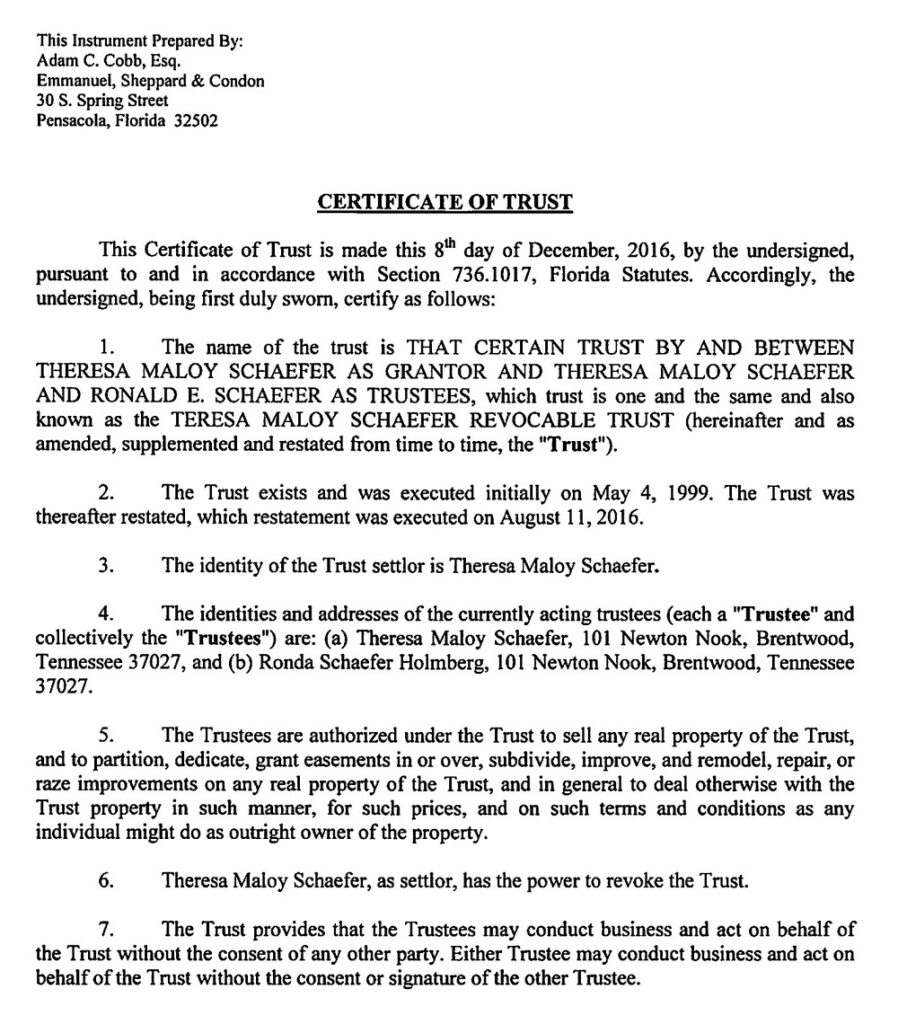
- Establishing a Trust: Establish a trust to manage your assets and distribute them according to your wishes.
- Creating a Last Will: Create a last will to outline your wishes for the distribution of your assets after your passing.
Conclusion
Essential trust documents are a critical component of securing your financial future. By having a comprehensive estate plan in place, you can ensure that your assets are distributed according to your wishes, and your loved ones are protected from unnecessary stress and financial burden. Remember, it's essential to review and update your estate plan regularly to ensure that it remains effective and reflects your current wishes.
If you're considering creating a comprehensive estate plan, schedule a consultation with a qualified estate planning attorney who can guide you through the process and ensure that your essential trust documents are in place.
This article is for informational purposes only and should not be considered as legal advice. Consult with a qualified estate planning attorney to ensure that your estate plan is tailored to your specific needs and circumstances.