How to Set Up a 401(k) Plan: A Comprehensive Guide
Introduction
Establishing a 401(k) plan is a crucial step towards securing your financial future. With the vast array of options available, it's essential to understand the basics and related considerations to make informed decisions. In this article, we'll discuss how to set up a 401(k) plan, explore various options, and provide insights into maximizing your retirement savings.Initial Actions
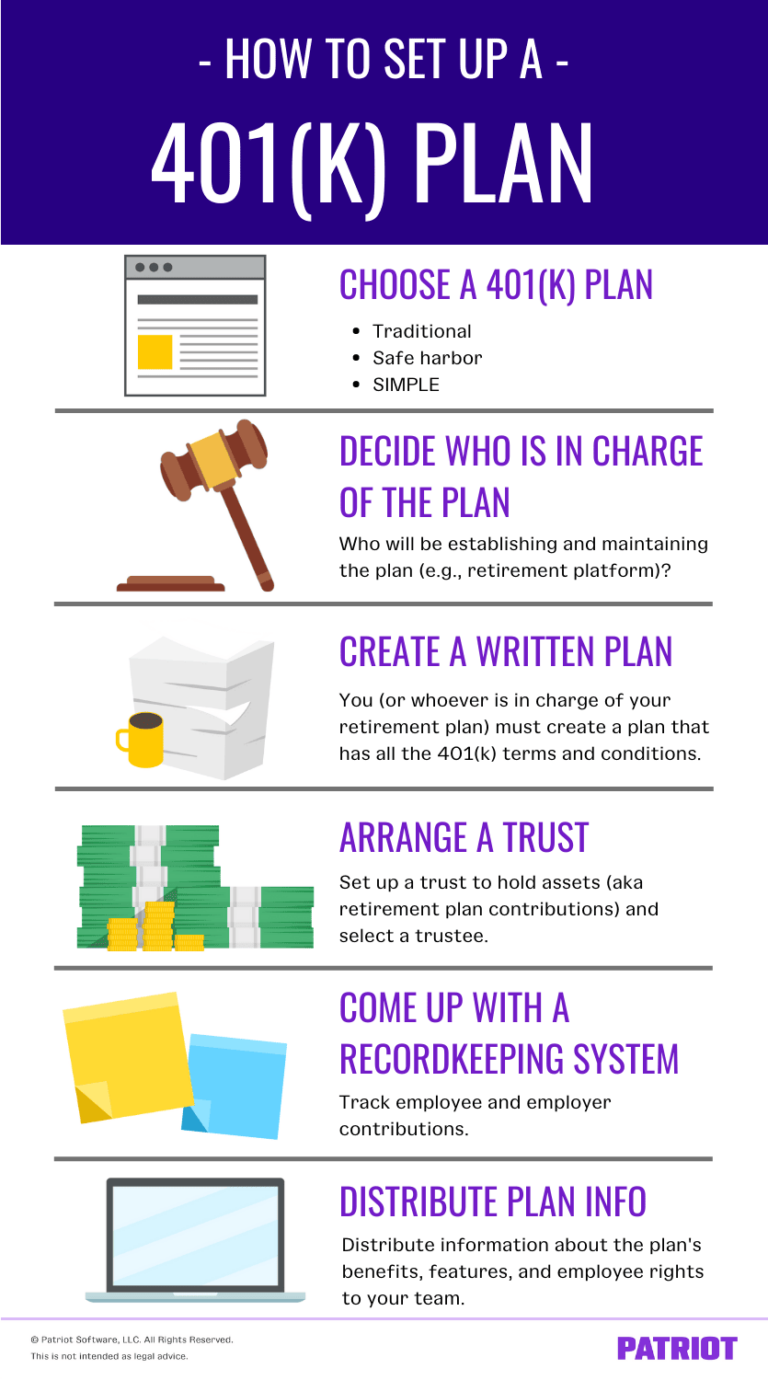
When establishing a 401(k) plan, you must take certain basic actions. One of the first decisions you'll need to make is whether to set up the plan yourself or consult a professional or financial institution, such as a bank, mutual fund provider, or insurance company, to help you establish and maintain the plan.Option 1: Setting Up a 401(k) Plan Yourself
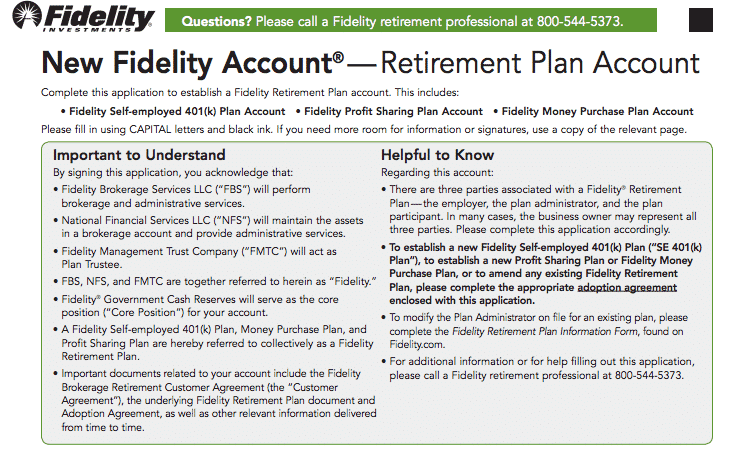
If you decide to set up the plan yourself, you'll need to: 1. **Choose a plan provider**: Select a reputable plan provider that meets your business needs and offers competitive pricing. 2. **Complete the plan adoption agreement**: This is a critical document that outlines the terms and conditions of the plan, including contribution limits, vesting schedules, and other important details. 3. **Notify employees**: Inform your employees about the 401(k) plan, its benefits, and the enrollment process. 4. **Set up payroll deductions**: Arrange for payroll deductions to be made for both employees and the employer.Option 2: Consulting a Professional or Financial Institution
If you prefer to consult a professional or financial institution, they will: 1. **Assess your business needs**: Evaluate your business requirements and provide recommendations for the type of 401(k) plan best suited for your company. 2. **Help with plan setup**: Assist with completing the plan adoption agreement, setting up the plan, and notifying employees. 3. **Provide ongoing support**: Offer ongoing support and guidance to ensure the plan remains compliant with regulatory requirements.Common Types of 401(k) Plans
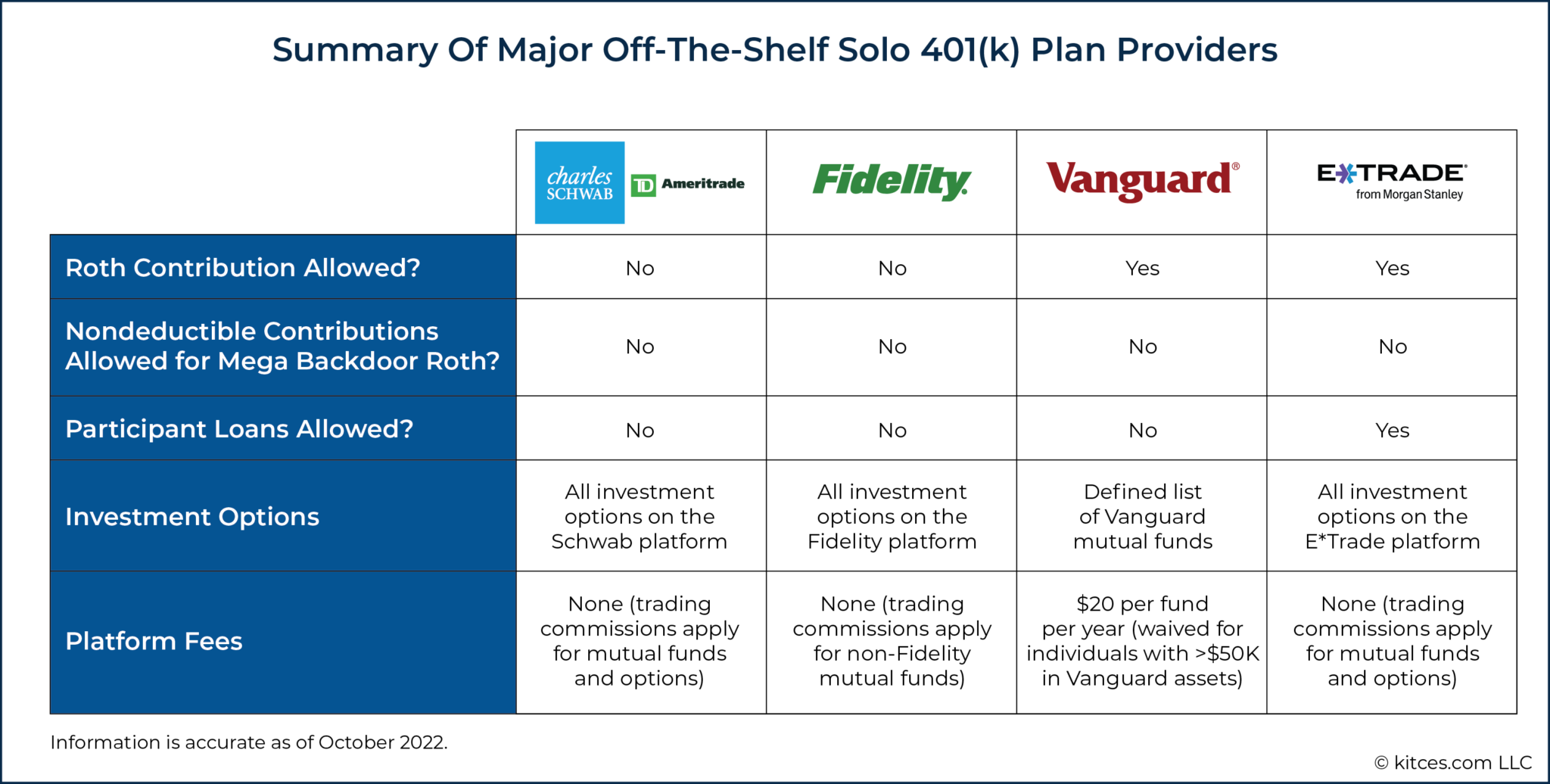
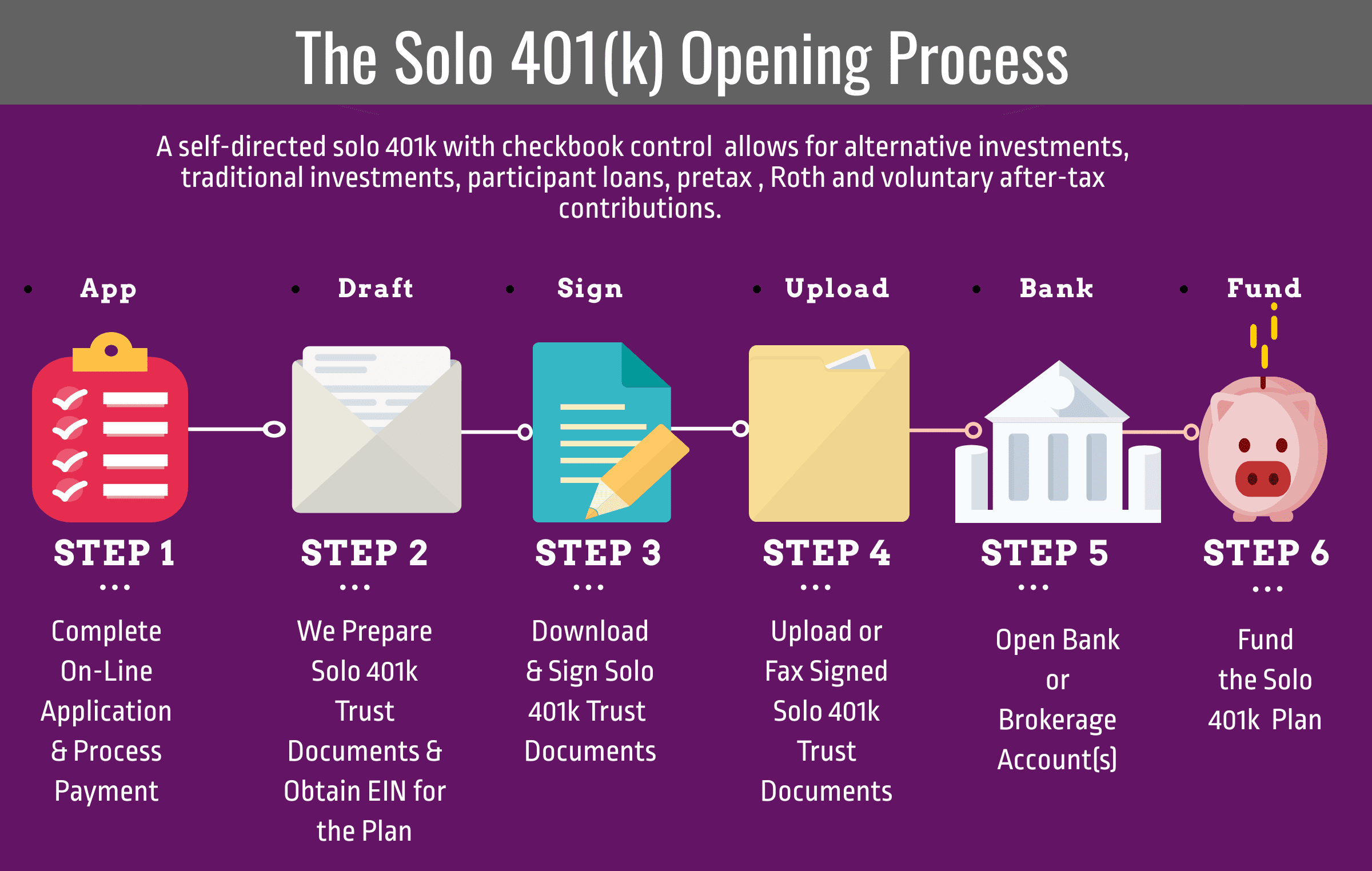
Several types of 401(k) plans are available, including employer-provided plans, solo 401(k)s, payroll providers, and financial institutions. It's essential to understand the differences and choose the plan that best meets your business needs:Employer-Provided Plans