Individuals Guide to Phishing Protection
Phishing attacks have become increasingly common and successful, making it essential for individuals to stay vigilant and take proactive steps to protect themselves. In this guide, we will walk you through the best practices to identify and defend against phishing attacks, providing you with valuable resources to stay safe online.
What is Phishing?
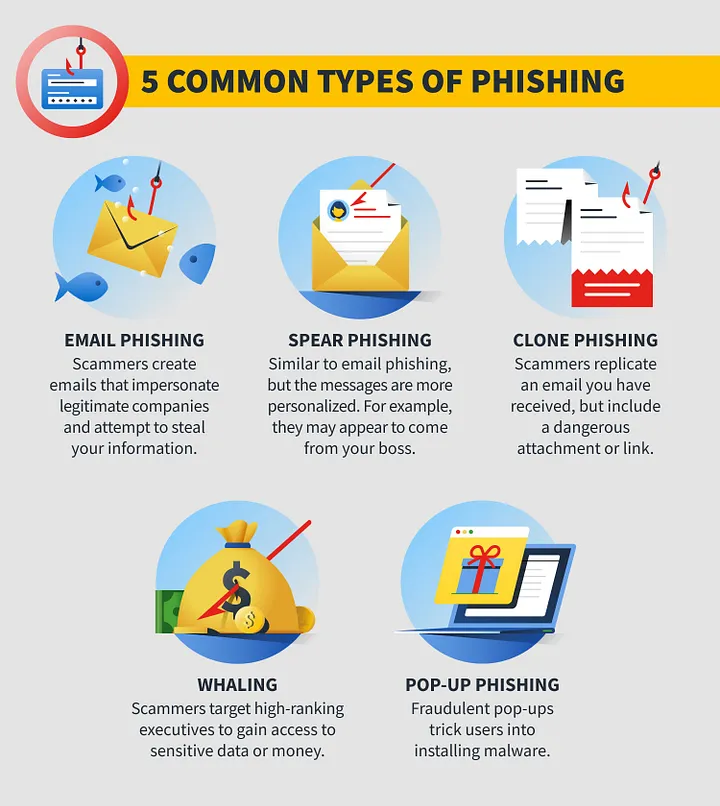
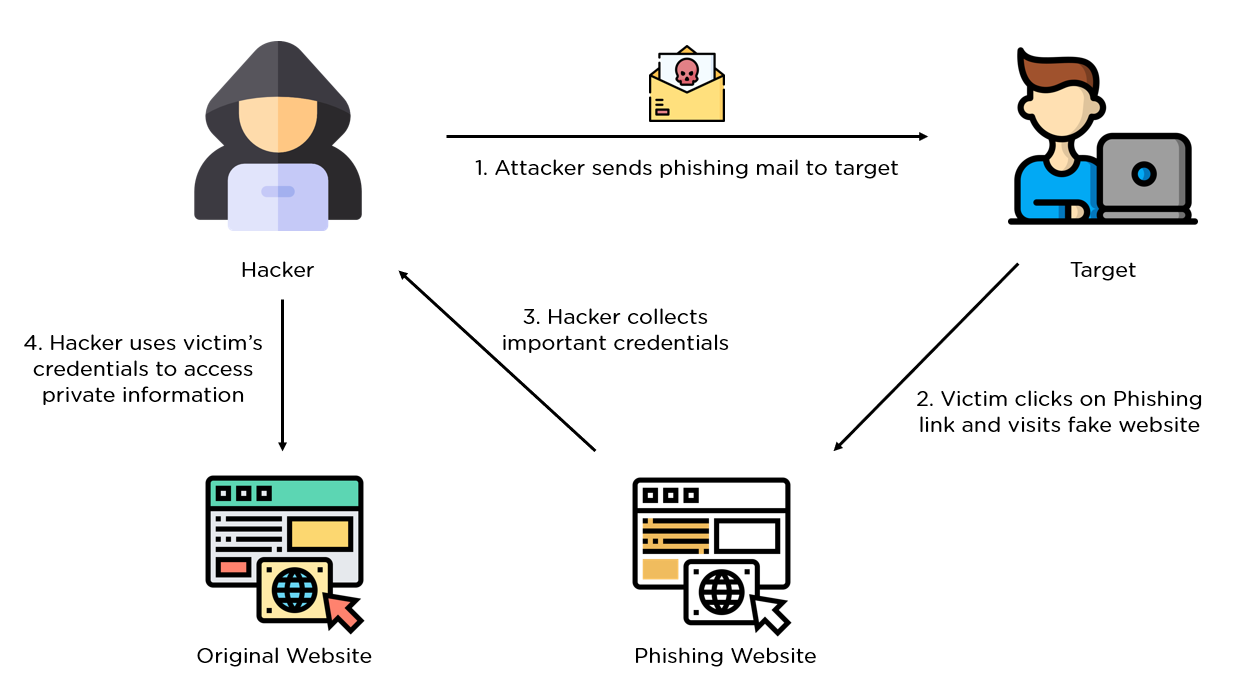
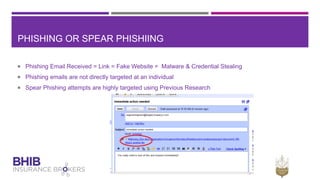
Phishing is a type of cybercrime where attackers try to trick individuals into divulging sensitive information, such as usernames, passwords, credit card numbers, or bank account details, by posing as a trusted source through email, text messages, or other forms of electronic communication. Phishing attacks can be particularly convincing, making it crucial to be aware of their tactics and know how to respond.
Recognizing Phishing Attacks
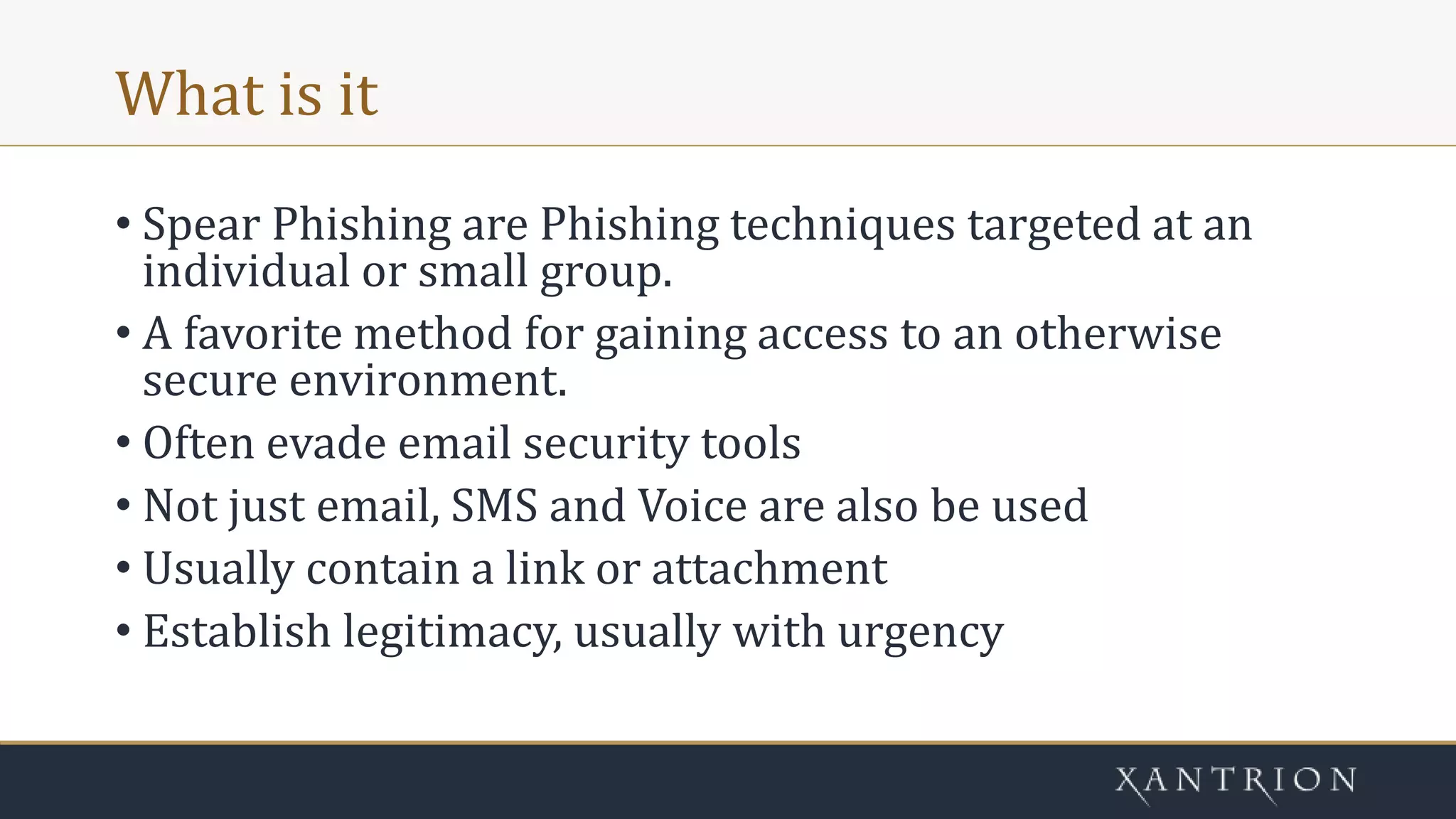
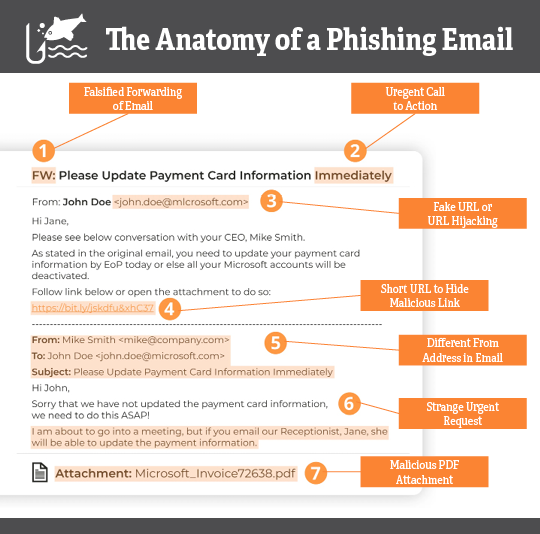
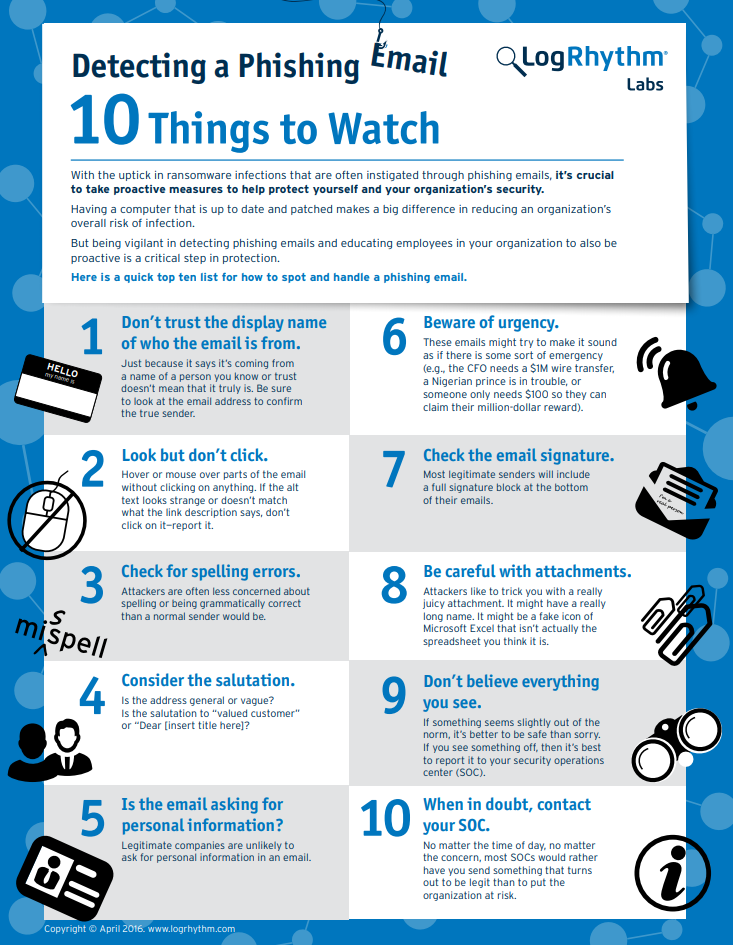
- Urgent or emotionally appealing language, especially messages that claim dire consequences for not responding immediately
- Requests to send personal and financial information
- Untrusted shortened URLs or unsecured websites
- Messages that ask you to act quickly or make an urgent decision
These signs may indicate a phishing attack, so it's essential to be cautious and verify the authenticity of the message before taking any action.
Preventing Phishing Attacks
- Use strong antivirus software with anti-phishing protection
- Be cautious with links and attachments from unknown senders
- Verify the sender's identity before responding to emails or texts
- Use two-factor authentication whenever possible
By implementing these preventative measures, you can significantly reduce the risk of falling victim to a phishing attack.
Responding to Phishing Attacks
If you suspect a phishing attack, follow these steps:
- Do not respond or engage with the attacker
- Report the incident to the relevant authorities, such as your bank or credit card company
- Change your passwords and account information
- Monitor your accounts for suspicious activity
Staying informed and up-to-date on the latest phishing techniques and educating those around you are also crucial in building a stronger defense against cyber threats.
Resources
For more information on phishing protection, refer to the following resources:
- CISA's guide on phishing prevention
- FTC's guide on phishing and identity theft
- Our 2024 guide to phishing defense
By following this individuals guide to phishing protection, you will be better equipped to recognize and defend against phishing attacks, protecting your personal information and staying safe online.