Practicing Self-Compassion While Dealing with Phubbing: A Path to Improved Relationships and Mental Health
Phubbing, or prioritizing smartphone use during face-to-face interactions, has become an increasingly common behavior with detrimental effects on mental well-being. This phenomenon has led to a significant impact on relationships and overall quality of life. However, there is hope for improvement. By practicing self-compassion while dealing with phubbing, individuals can break free from this cycle of behavior and cultivate healthier relationships.
The Risks of Phubbing
Phubbing has been linked to a range of negative effects, including relationship dissatisfaction, social isolation, and decreased self-esteem. When we prioritize our phones over meaningful interactions, we risk damaging our relationships and our own mental health. In fact, a study found that 17% of people engage in phubbing at least four times a day, while another 32% are phubbed 2-3 times daily.
The Danger of Phubbing in Relationships
- Damage to relationships: Phubbing can lead to feelings of neglect and isolation, ultimately damaging relationships and eroding trust.
- Low self-esteem: Being the victim of phubbing can lead to low self-esteem, as one begins to feel that the phubber does not have any interest in them as a person.
The Importance of Self-Compassion in Phubbing

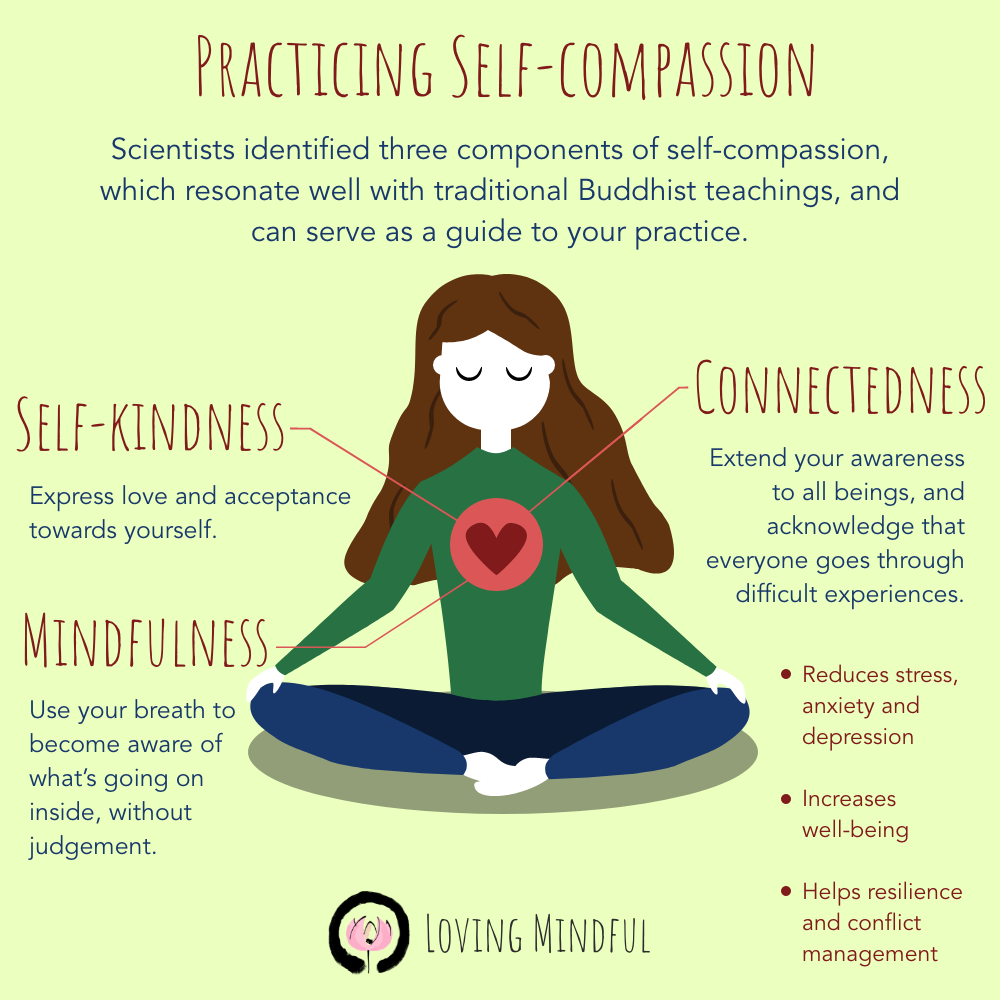
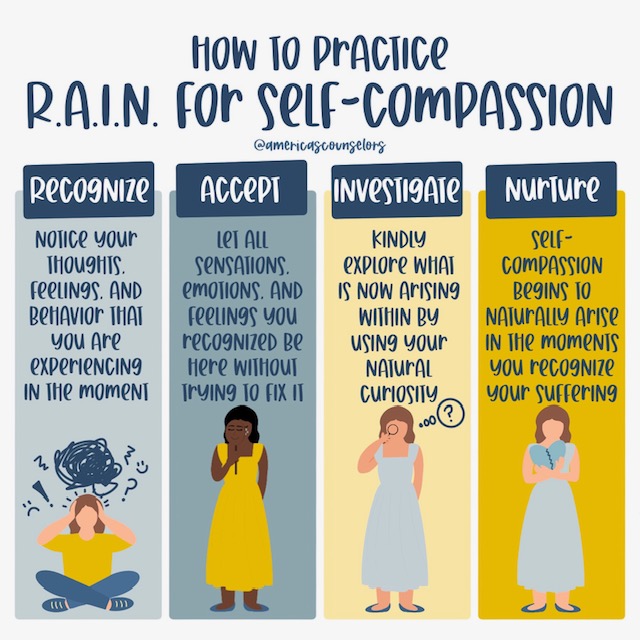
Practicing self-compassion is essential in dealing with phubbing. When we are kind and understanding towards ourselves, we are more likely to break free from this cycle of behavior. Self-compassion involves treating ourselves warmly, gently, and fairly, just as we would a close friend. By practicing self-compassion, we can develop a deeper understanding of our behavior and the reasons behind it, making it easier to make positive changes.
-
Recognize the signs of phubbing: Be aware of the times when you find yourself prioritizing your phone over face-to-face interactions. Recognize how this behavior makes you feel and the impact it has on others.
-
Practice self-awareness: Take time to reflect on your behavior and the reasons behind it. Identify the triggers that lead to phubbing and develop strategies to overcome them.
-
Cultivate mindfulness: Focus on the present moment and engage fully with those around you. Practice mindfulness techniques such as deep breathing, meditation, or yoga to help you stay present.
-
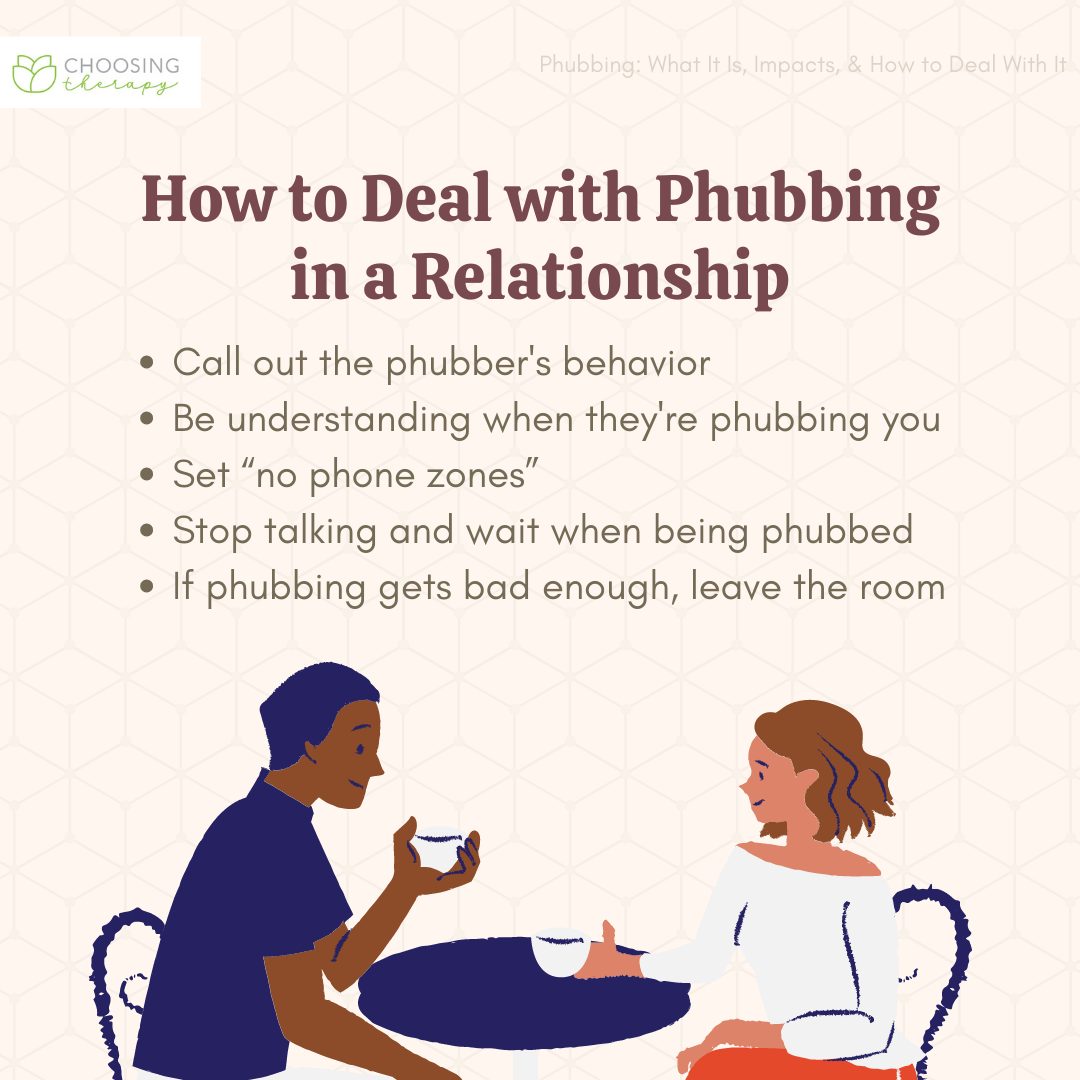
Set boundaries: Establish rules and guidelines for phone use in social situations to ensure you are prioritizing face-to-face interactions.
Breaking the Cycle of Phubbing
By practicing self-compassion and being aware of the signs of phubbing, we can break free from this cycle of behavior. It's essential to treat ourselves with kindness and understanding, rather than judgment, as we work to overcome phubbing. By doing so, we can cultivate healthier relationships and improve our overall well-being.
Conclusion
Phubbing is a common phenomenon that can have far-reaching consequences on our relationships and mental health. However, by practicing self-compassion and being aware of our behavior, we can make positive changes and break free from this cycle. Remember, it's never too late to start practicing self-compassion and making strides towards healthier relationships and a more fulfilling life.