Live Streaming Setup for Beginners: A Comprehensive Guide
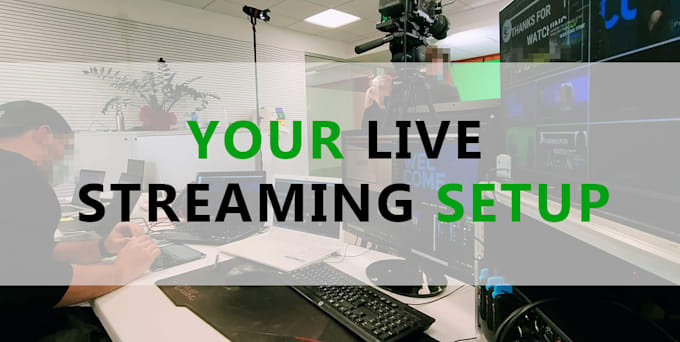
Are you ready to launch your streaming career and reach a wider audience? Setting up a live streaming setup can seem daunting, but with the right equipment and knowledge, you can create a high-quality stream that engages your viewers. In this article, we'll walk you through the essential steps to set up a live streaming setup for beginners.
Choose the Right Platform
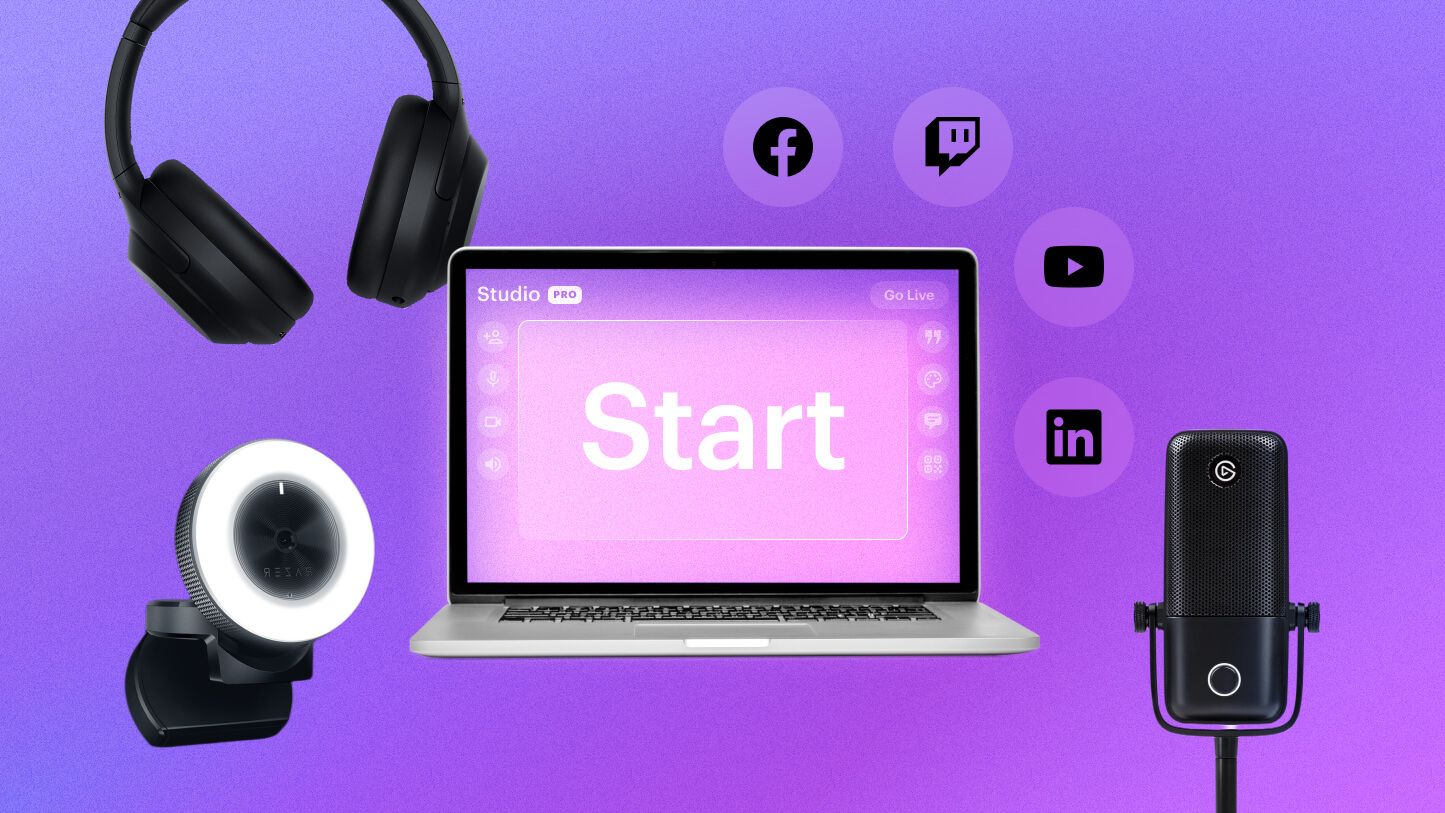
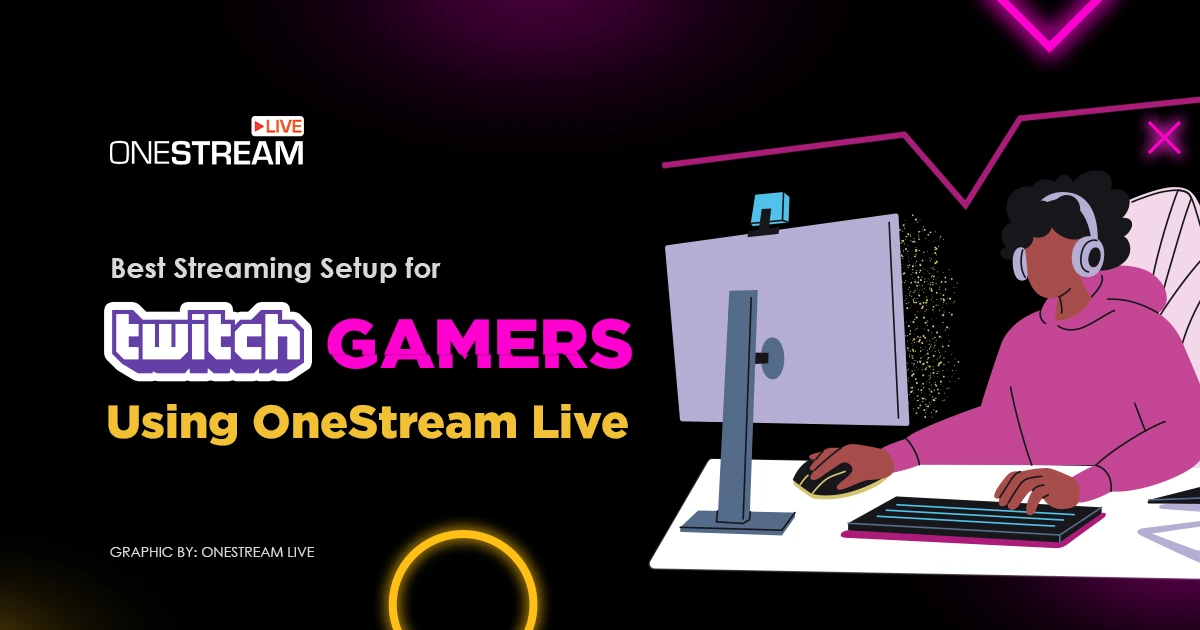
The first step in setting up a live streaming setup is to choose the right platform. Popular platforms like Twitch, YouTube Live, and Facebook Gaming offer a range of features and tools to help you get started. Consider factors like audience demographics, content style, and monetization options when selecting a platform. For example, if you're interested in gaming, Twitch might be the best choice, while YouTube Live is ideal for vloggers and educational content creators.
Essential Equipment for Live Streaming
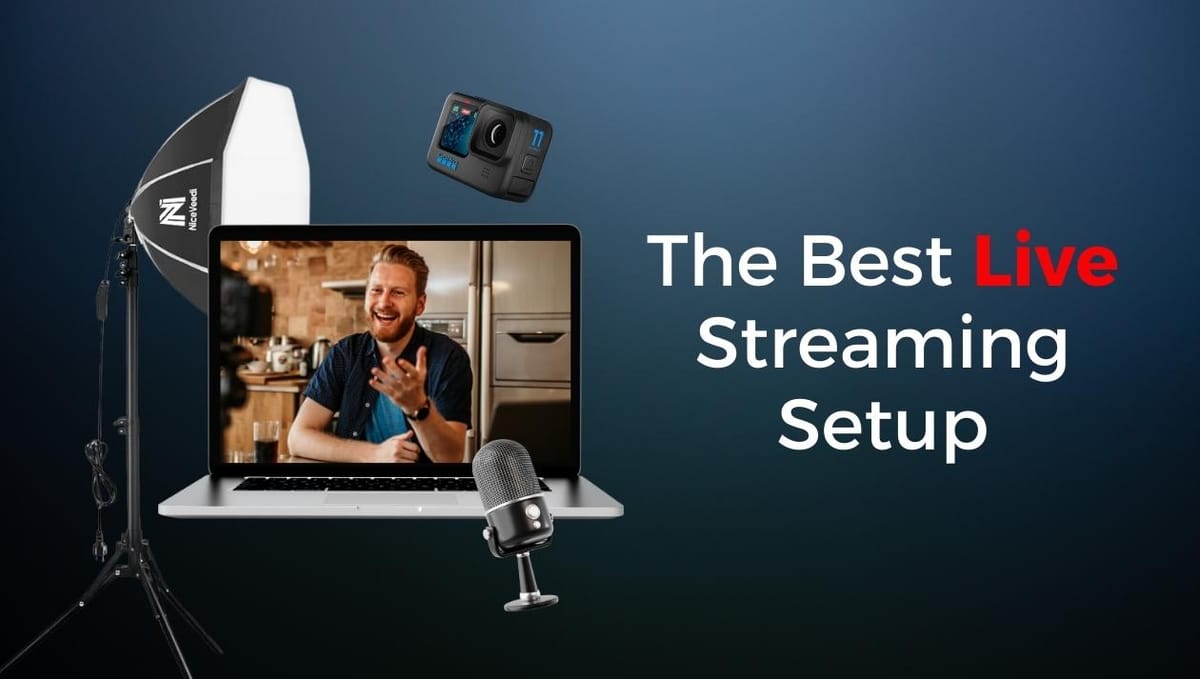
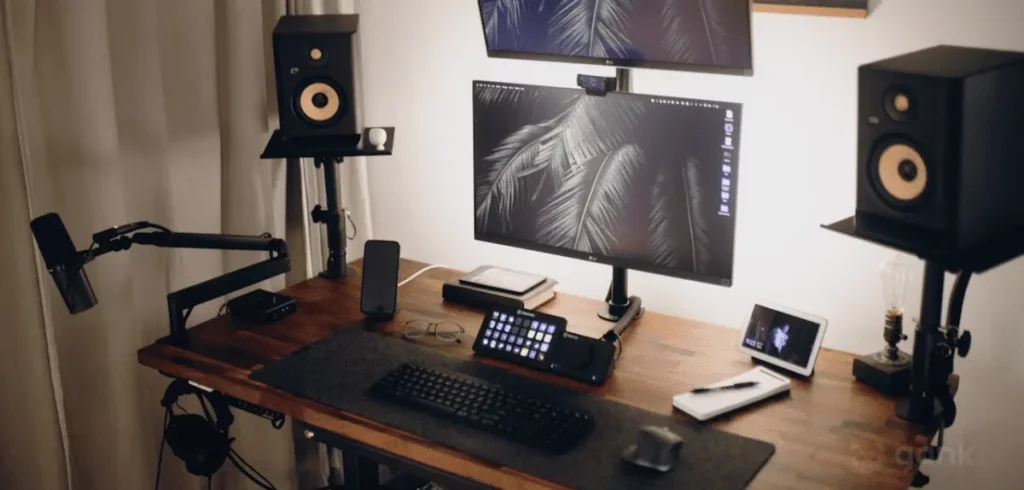
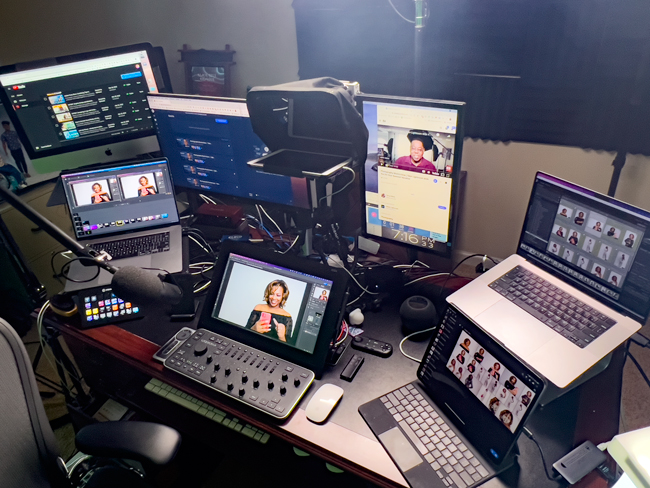
Even with the best platform, a good live streaming setup requires good equipment. Here are the essential items you'll need to get started:
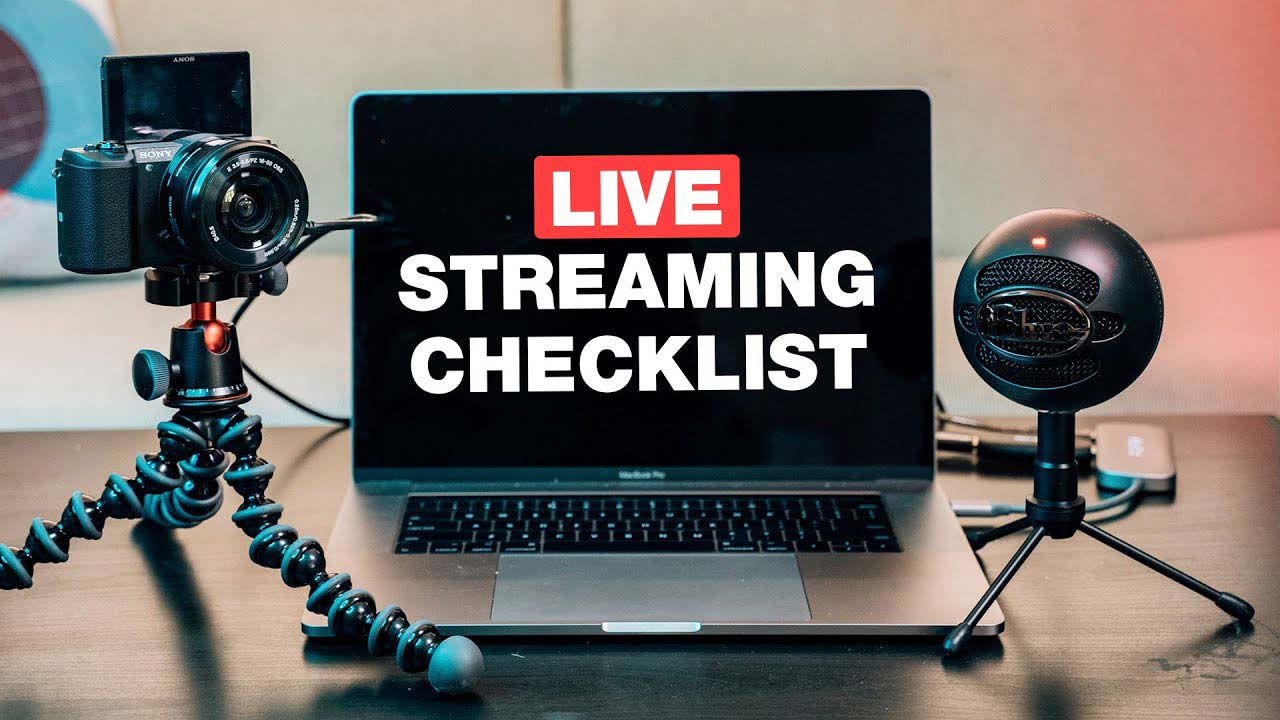
- Camera: A high-quality camera is crucial for capturing clear and sharp footage. Popular options include the Logitech C920, Razer Kiyo, and Elgato Cam Link 4K.
- Microphone: A good quality microphone ensures that your audio is clear and crisp. Consider options like the Blue Yeti, HyperX QuadCast Gaming Microphone, or the Razer Seiren X.
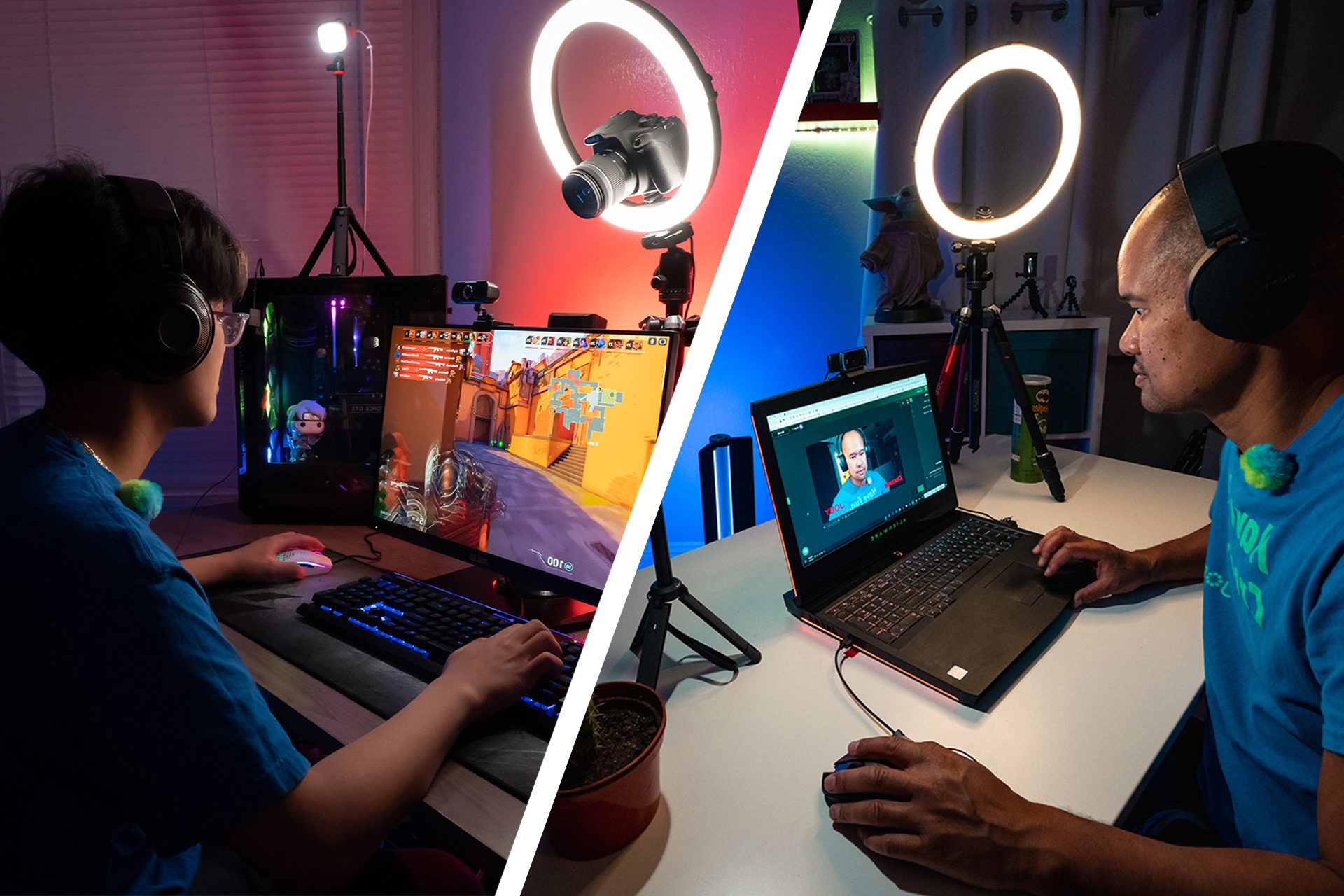
- Lighting: Proper lighting is essential for a visually appealing stream. Invest in a good quality lighting kit or consider a ring light for a professional look.
- Internet Connection: A stable and fast internet connection is vital for a smooth and high-quality stream. Ensure you have a minimum upload speed of 5 Mbps for 1080p and 20 Mbps for 4K.
- Streaming Software: Popular options include OBS Studio, XSplit, and Streamlabs OBS. These software programs help you manage your stream, adjust settings, and interact with your audience.
Streaming Software for Beginners
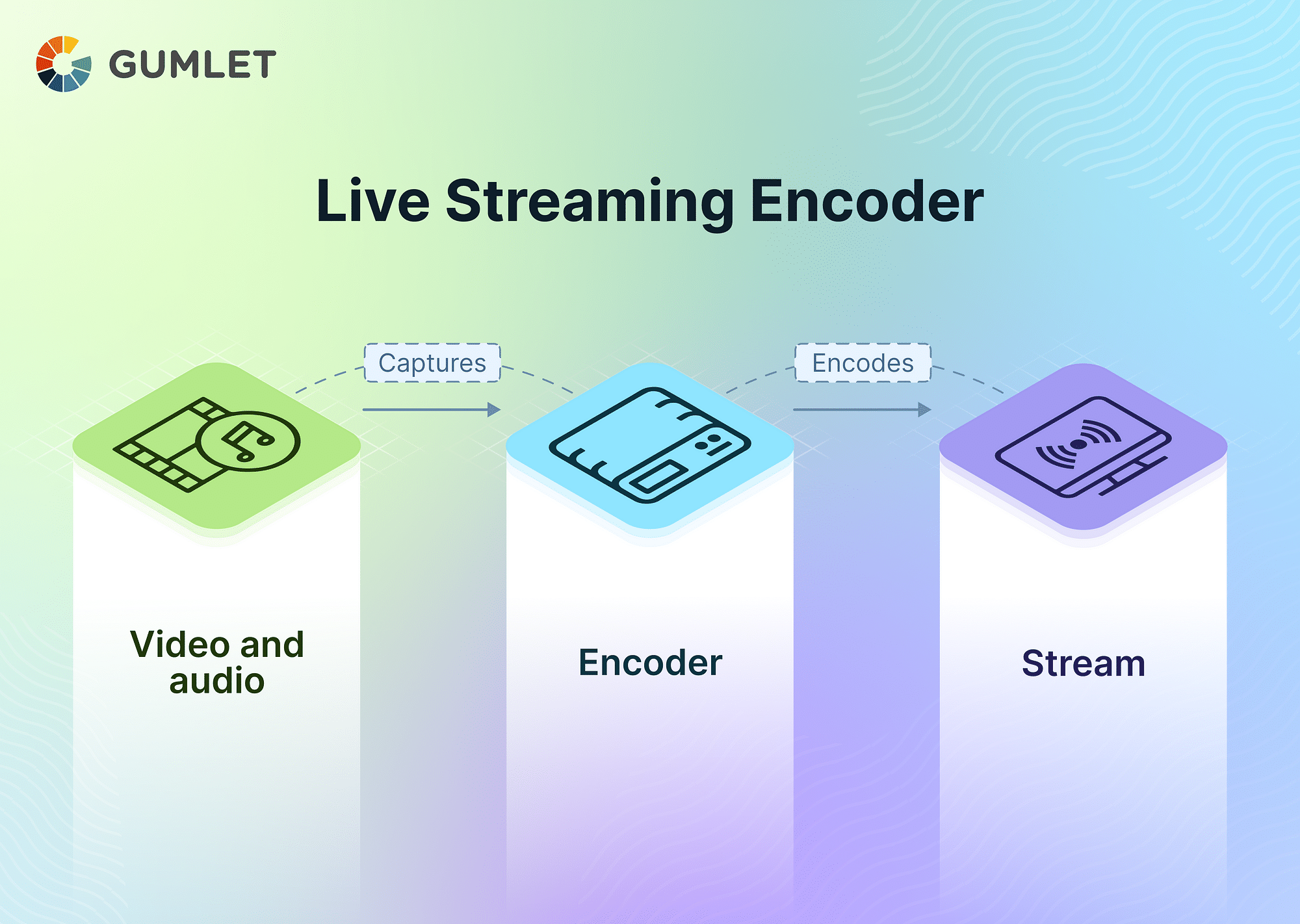
Streaming software is the backbone of your live streaming setup. It helps you manage your stream, adjust settings, and interact with your audience. Popular options include:
- OBS Studio: A free and open-source software that's perfect for beginners. It's customizable, user-friendly, and offers advanced features like chroma keying and audio filters.
- Streamlabs OBS: A customizable and user-friendly software that offers a range of features, including alerts, donations, and subscriptions.
- XSplit: A popular and feature-rich software that offers advanced features like chroma keying, audio filters, and live streaming to multiple platforms.
Setting Up Your Live Streaming Setup
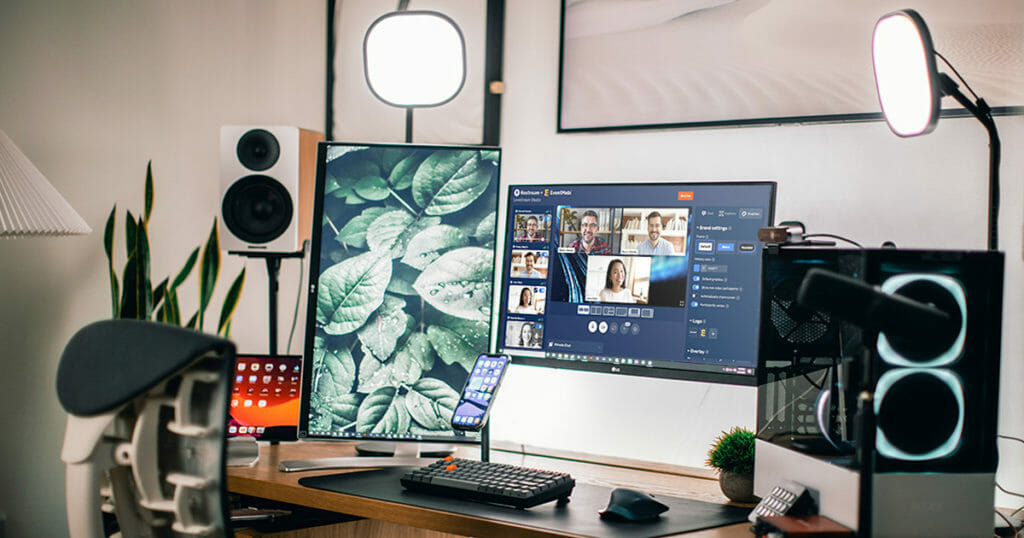
Once you've chosen your platform, equipment, and software, it's time to set up your live streaming setup. Here's a step-by-step guide to help you get started:
- Connect your camera and microphone to your computer using a USB cable.
- Set up your lighting kit or ring light to provide a visually appealing stream.
- Install your chosen streaming software and configure the settings to match your platform.
- Test your internet connection to ensure a stable and fast upload speed.
- Go live and interact with your audience using chat, polls, and other engagement tools.
Optimizing Your Stream for Engagement
With your live streaming setup complete, it's time to focus on engaging your audience. Here are some tips to help you optimize your stream:
- Use eye-catching graphics and overlays to make your stream visually appealing.
- Interact with your audience using chat, polls, and other engagement tools.
- Offer exclusive content to your loyal followers and subscribers.
- Collaborate with other streamers and content creators to reach a wider audience.
Monetizing Your Live Streaming Channel
As your channel grows, you'll want to monetize your live streaming setup to earn revenue. Here are some ways to monetize your channel:
- Sponsorships and product placements: Partner with brands to promote their products or services. li>Subscriptions and donations: Offer exclusive content and rewards to loyal followers and subscribers.
- Ad revenue: Partner with ad platforms like Google AdSense to generate revenue from ads displayed on your stream.
- Merchandise and sales: Sell merchandise or digital products to your audience.